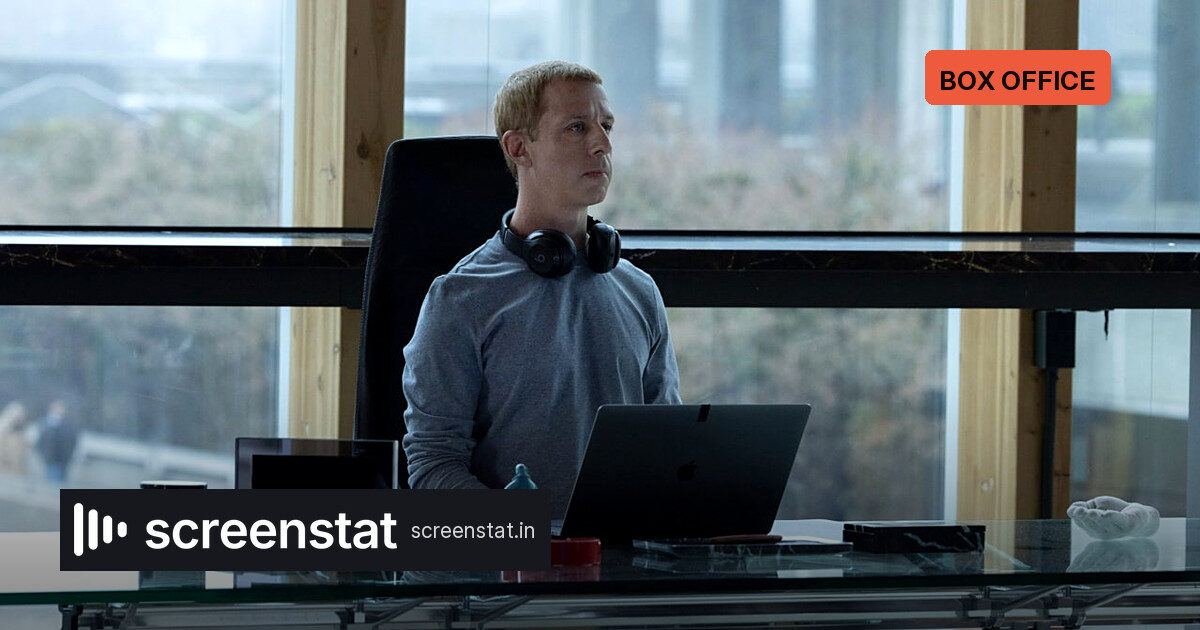
A title with Aaron Sorkin’s name, a connection to a generation-defining hit, and a real-life Facebook whistleblower story still could not pull a wide audience. Sony and Alcon’s The Social Reckoning opened to $5.5 million in North America, leaving studios and marketers with a clear data point: awareness and prestige do not automatically convert to ticket sales.
What the opening says
The $5.5 million launch is roughly one-quarter of the $22.6 million that The Social Network took in its debut frame. On a reported $30 million production budget, the film is a manageable miss for Sony rather than a write-down. Audiences gave it a B- CinemaScore; Rotten Tomatoes splits were 55% from critics and 73% from audiences.
Sony can absorb the result. Spider-Man: Brand New Day has crossed $2.5 billion worldwide, and Resident Evil is on pace to clear $425 million globally after a $40 million China opening this weekend, so the studio’s slate is not exposed to this one underperformer.
Why the audience stayed away
The core problem was not the subject, but the absence of a new emotional stake. The Social Network sold a personal break-up—Mark Zuckerberg and Eduardo Saverin’s friendship destroyed by success. The new film is a legal thriller about Frances Haugen, the Facebook data engineer who leaked files to a Wall Street Journal reporter, with Zuckerberg as a supporting figure.
- No personal hook: the central relationship is professional, not intimate, so trailers lacked the personal-betrayal pull.
- Headline fatigue: after Meta’s $17 billion settlement and years of coverage, the film did not pass the what have you got that’s new test.
- Escapism won: horror releases drew moviegoers looking for supernatural fright, not real-world dread.
Rentrak analyst Paul Dergarabedian framed the dynamic as the ‘cinematic equivalent of fast food’ outperforming the ‘cinematic equivalent of fine dining’—a re-run, he said, of the pattern that hit Verity and Digger a week earlier.
The positioning lesson
Sorkin asked outlets to call the film a ‘companion’ rather than a sequel, but Sony’s marketing still leaned on the 2010 film’s visual language. That created a comparison the new film could not win: it promised the old title’s cultural charge but delivered a more didactic story about algorithmic harm.
For media planners and entertainment marketers, the takeaway is not to avoid tough subjects. It is to find the fresh entry point before buying the audience. A24’s forthcoming documentary You Can See Everything may test that idea: Elizabeth Holmes invited the cameras in, and Nathan Fielder asks the questions, giving a crowded story a distinctive access point. Neon’s Artificial, a limited Christmas Day release about Sam Altman and ChatGPT, faces the same challenge with an awards-buzzy Andrew Garfield performance as Altman.
The box office is not rejecting issue-driven filmmaking. It is rejecting campaigns that sell recognition instead of a reason to leave the house.
Source: TheWrap