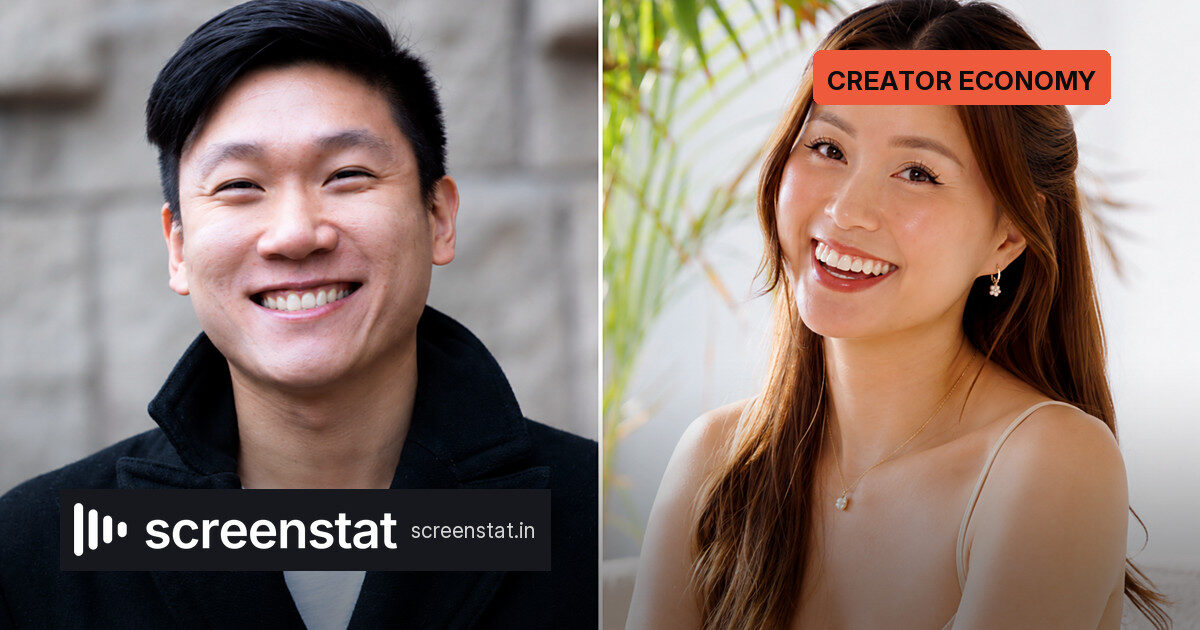
Patreon co-founder Sam Yam has moved quickly at OpenAI. Less than a month after joining as head of creator product, he has lined up his first project: a partnership with podcaster Chloe Shih to explore how AI can support parents and children in the early years of education.
Variety reported the arrangement exclusively, though OpenAI has not disclosed the format, title, platform or launch date. Shih, who hosts the podcast Office Drama and is expecting a child, said in a statement that parenting is “becoming increasingly expensive and even out of reach for many.” She argued that tech products can focus too heavily on convenience and skip “actual problems that the everyday person faces.”
Why parenting is the first brief
The choice matters because OpenAI is not starting its creator push with celebrity variety or a big studio tie-up. It is starting with a life-stage audience that advertisers and media buyers already understand. Parent-focused content commands high intent and steady category spend, and it gives AI-assisted production a practical use case beyond raw speed.
What the details show
- Yam co-founded Patreon in 2013 and joined OpenAI last month as head of creator product.
- Patreon’s heads of product and engineering are set to join him at OpenAI.
- The series will be produced with Dots, OpenAI’s always-on AI agent, which it positions against Meta’s Muse.
- Yam’s move followed Patreon’s July layoffs of roughly 20% of staff.
The bigger creator push
OpenAI has been building out a creator-facing bench, including hiring Charles Porch from Meta earlier this year. Not every activation has landed well: an August creators’ trip to Wildflower Farms, a luxury estate in New York’s Hudson Valley, drew criticism. The Shih project gives OpenAI a different story. It foregrounds everyday utility and a creator who wants to build “for people outside the tech bubble.”
What it means for media teams
For streaming, podcast and branded-content teams, this is an early case study in AI-native development. The key variable is how much of the production workflow actually runs through Dots. If an AI agent becomes a genuine production co-pilot rather than a talking point, it could reshape how creators pitch, budget and staff short-form series.
The takeaway is practical: when pitching AI-assisted content, lead with a real audience problem, not with model features. Shih’s framing—convenience is overplayed, everyday problems are underserved—translates well to briefs targeting new parents, caregivers and other cost-conscious segments.
Source: Variety