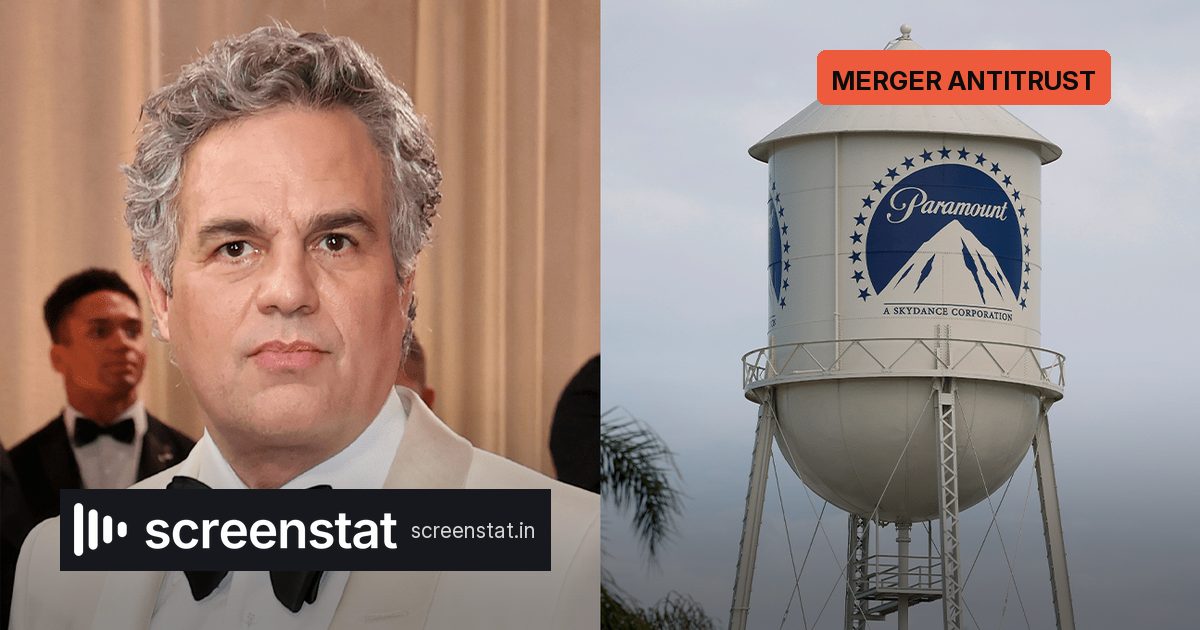
As Paramount and a group of state attorneys general move toward a possible settlement in the antitrust fight over the Warner Bros. Discovery deal, actor Mark Ruffalo is publicly pressing California attorney general Rob Bonta to hold the line.
The Wall Street Journal reported Friday that the two sides are closing in on a settlement. Ruffalo responded on X with a direct appeal, telling Bonta “do not cave” and citing 5,670 filmmakers and more than 75,000 signatories who have opposed the merger in roughly three weeks.
“You work for the people — the very people who will be hurt if you let this lousy deal filled with empty promises go forward,” Ruffalo wrote.
Ruffalo also linked to a petition urging Paramount to reject the deal. He has testified against the merger in a Senate hearing and previously signed an open letter with other actors opposed to the transaction.
Why the state case matters
The lawsuit, filed July 13 by California and 11 other state attorneys general, argues that combining Paramount and Warner Bros. Discovery would merge two of Hollywood’s top five studios. The states claim the deal would reduce theatrical releases, raise prices, and narrow the variety and quality of content available to consumers.
California attorney general Rob Bonta said at the time that the merger would “snuff out competition” and result in fewer movies and shows each year.
The case has already slowed the transaction. U.S. District Judge Araceli Martínez-Olguín issued a temporary restraining order on July 20; the order was extended on July 23, and Paramount agreed to hold off on closing until the court weighs the antitrust claims.
What a settlement could change
A negotiated resolution would not necessarily mean the deal closes unchanged. State AG settlements in media mergers often carry conditions that can reshape the competitive landscape. For entertainment buyers and platform teams, the key question is whether any remedy affects content supply, licensing terms, or distribution access.
- Will there be commitments on theatrical release volume or windows?
- Could the combined company be required to license content to third-party services?
- Will streaming bundle practices or pricing face conditions?
- Does the settlement apply narrowly to plaintiff states or set broader market expectations?
These details matter more than the headline that a case is settling.
The public fight turns sharper
The settlement talks are unfolding alongside an increasingly personal public dispute. Ruffalo’s August Instagram post criticized Oracle, founded by Larry Ellison, over its reported ties to Israeli military operations. Paramount called his remarks “antisemitic” and said words such as “genocide” and “apartheid” applied to a corporate transaction “aren’t just wrong — they’re a bridge too far.” Ruffalo called the accusation “appalling and fundamentally dishonest.”
That controversy does not change the regulatory stakes, but it raises the temperature around a deal that is already facing organized opposition from talent and creators.
For media planners and streaming professionals, the signal is straightforward: state-level antitrust enforcement is now a live variable in content-industry consolidation. Watch the settlement terms, not just the settlement headline.
Source: The Hollywood Reporter