The number that should reset the release debate
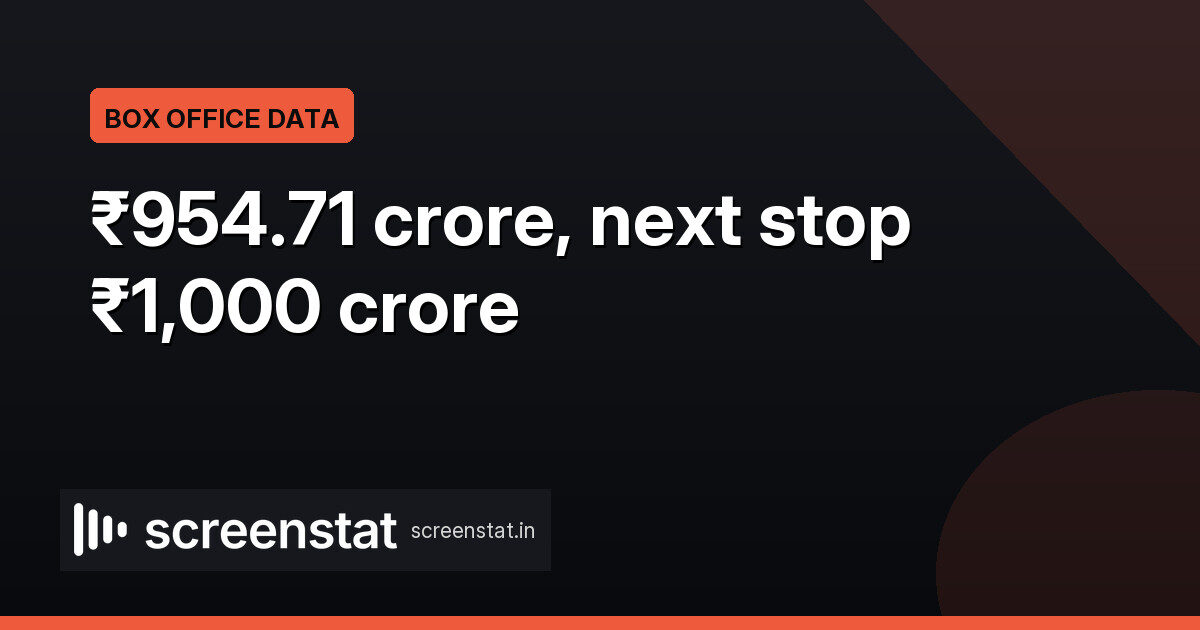
Ramayana: Part I has tracked Rs 864.20 crore nett, 2.92 crore tickets and over 3.66 lakh shows. The chain-wise split is more useful than the total because it shows where revenue and reach actually come from.
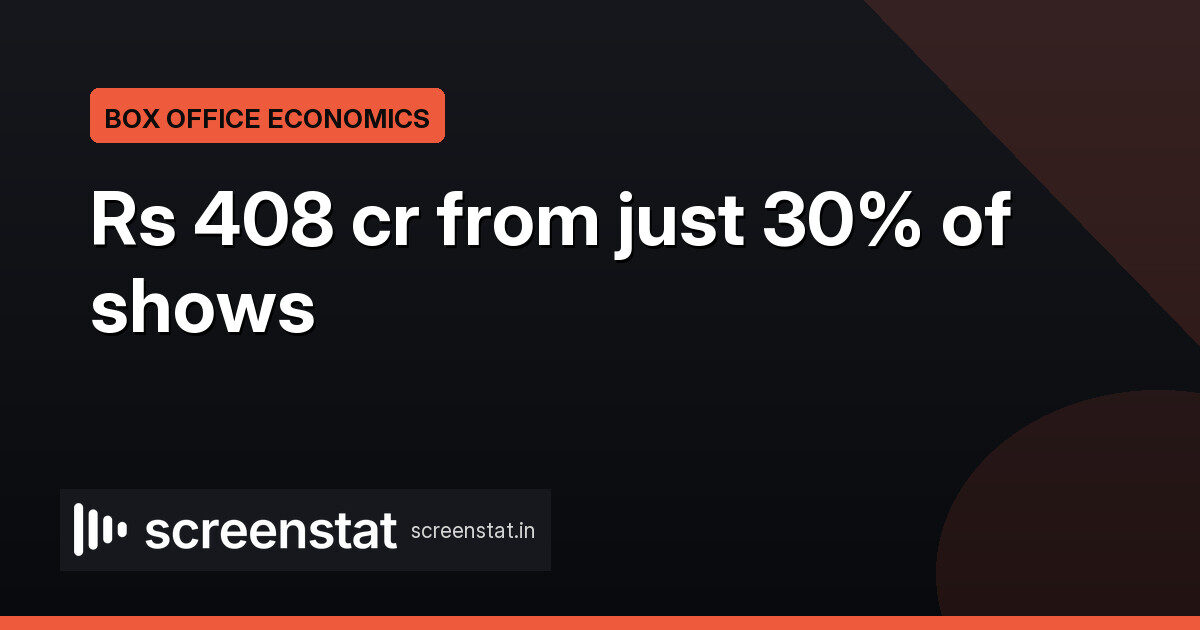
PVR INOX and Cinepolis together collected Rs 408.40 crore nett. That is 47.26% of tracked domestic collections from just 30.40% of shows and 32.01% of tickets.
Why pricing, not footfalls, decides who earns
The combined average nett revenue per show for PVR INOX and Cinepolis is around Rs 36,672. For the rest of the exhibition market it is about Rs 17,873. The gap is driven by ticket pricing, city mix and premium formats.
On ticket realisation, the divide is sharper. PVR INOX and Cinepolis average Rs 437 per ticket. Other exhibitors average Rs 230 per ticket, a difference of nearly 90%.
PVR INOX and Cinepolis, separately
- PVR – Rs 198.86 crore nett
- INOX – Rs 142.27 crore nett
- Cinepolis – Rs 67.27 crore nett
- Miraj Cinemas – Rs 31.81 crore nett
- Rajhans Cinemas – Rs 16.98 crore nett
PVR INOX as a combined entity accounted for Rs 341.13 crore from 78.79 lakh tickets across 92,041 shows, or 39.47% of tracked collections.
Cinepolis, with far fewer shows, beat the larger chains on ticket realisation at Rs 461 per ticket, compared with Rs 446 for PVR and Rs 416 for INOX.
The footfall reality
The top three chains sold 93.37 lakh tickets. The remaining exhibitors and outlets sold 1.98 crore tickets, nearly 68% of all admissions. This is the strategic point: national multiplexes maximise money, while the wider network maximises audience reach.
Why this changes the blockbuster playbook
India’s biggest theatrical hits have usually been judged by a single total. Ramayana’s chain-level data shows that a collection number can hide two very different businesses: a high-priced premium segment and a low-priced volume segment. Ignoring either distorts release planning, marketing budgets and post-theatrical negotiations.
What to do with this
For release strategists and media planners, raw box-office totals are not enough. Model revenue per show and ticket realisation by chain. Use premium chains for format-led, high-value audiences; use the wider network for reach and volume. A blockbuster plan has to fund both.
For advertisers and brands attaching themselves to a film, the split should shape screen-level and market-level spending. A premium-chain audience is not the same as a mass-market audience, even inside the same title.