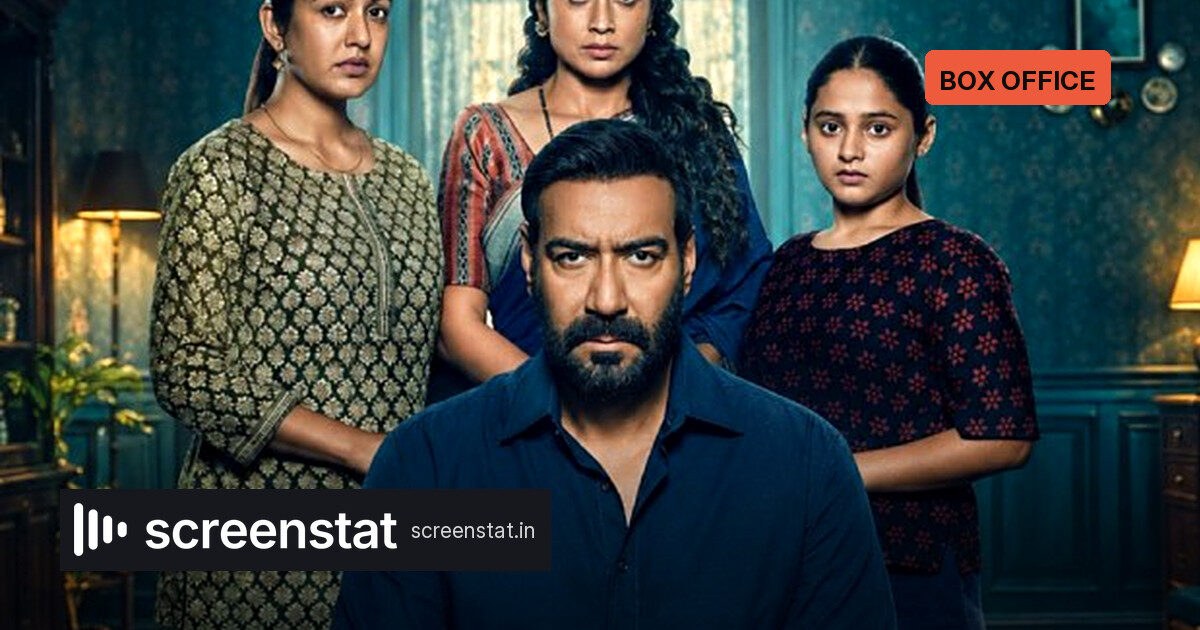
Rajkummar Rao’s Prahaar – The Ujjwal Nikam Story improved on Saturday, but the box-office number that matters for the trade is structural: the film grew 34% on fewer shows, yet overall occupancy is still only 17%.
The day-two math
The legal drama collected Rs 3.15 crore net in India on Saturday, October 17, against Rs 2.35 crore on opening day. That lifts the two-day India net to Rs 5.50 crore. India gross stands at Rs 6.48 crore, overseas gross at Rs 1.50 crore, and worldwide gross at Rs 7.98 crore, according to Sacnilk.
- Day 1 (Friday): Rs 2.35 crore net, 4,133 shows, 13% occupancy
- Day 2 (Saturday): Rs 3.15 crore net, 3,908 shows, 17% occupancy
- Two-day totals: Rs 5.50 crore India net; Rs 7.98 crore worldwide gross
The film reported 132,632 footfalls on Saturday, taking total footfalls to 235,179 since its October 16 theatrical release.
An evening-led run, not a full-day one
The Hindi 2D version is doing the heavy lifting, with 26.24% occupancy on day two. Within that, night shows led at 31.38%, evening followed at 30.54%, afternoon at 26.77%, and morning at just 9.77%. The audience is not spread across the day; it is concentrated in late urban screenings.
For exhibitors and media planners, that skew changes decisions. Inventory and promotions should follow the audience: push evening and night shows, do not overbuy morning slots, and target older metropolitan moviegoers who decide late in the day.
The subject and the test ahead
Directed by Avinash Arun, the film tracks public prosecutor Ujjwal Nikam and his role in cases linked to the 1993 Bombay bombings and the 2008 Mumbai attacks. Rajkummar Rao plays Nikam, with Wamiqa Gabbi, Lalit Prabhakar, Jaideep Ahlawat, Ashish Vidyarthi and Sikandar Kher in key roles.
That subject gives the film a specific, involved audience rather than a mass-family demographic. A 34% Saturday rise is encouraging, but the cleaner test is Sunday’s hold and Monday’s retention.
Reading the occupancy signal
Occupancy is an early diagnostic before final collections settle. A 17% all-India occupancy on a 3,900-show release means the film is still under-indexing in non-metros and in morning and matinee slots. The higher Hindi 2D occupancy, above 26%, shows the core format is working; it is the screen count and time-of-day mix that are diluting the average.
For streaming buyers, the pattern matters too. A theatrical title whose audience is concentrated in evening urban shows is likely to find similar time-shifted, high-intent viewing on a platform later. The content is not broad appointment viewing.
Source: The Times of India