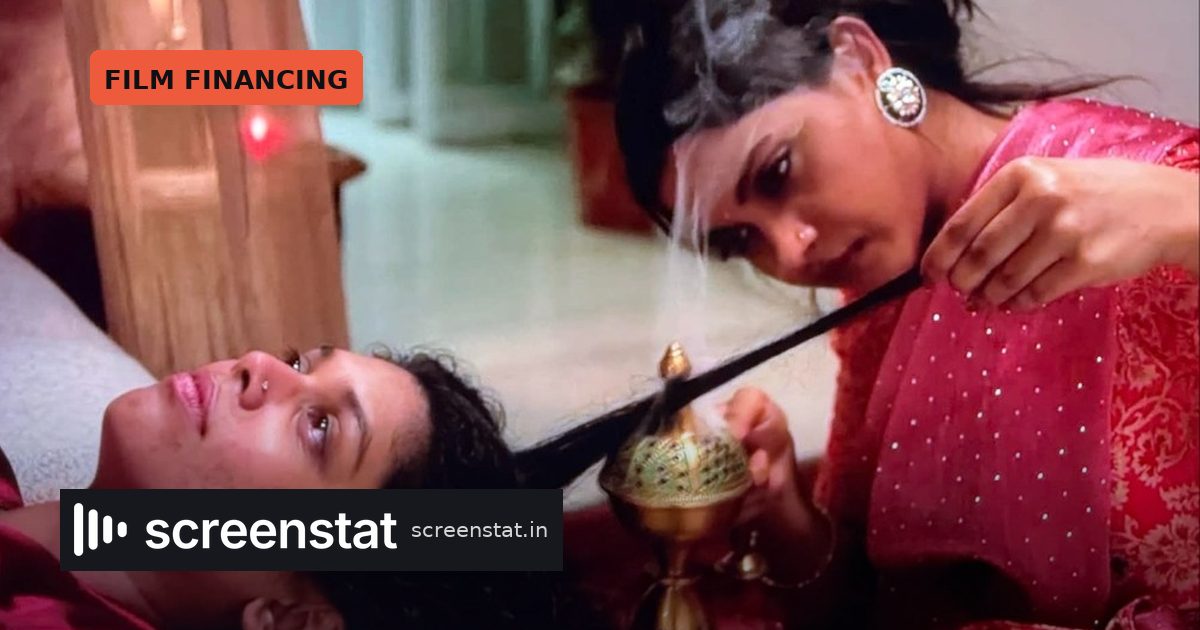
A year after Fondazione Prada announced a film fund on the Lido, the initiative has its first tangible calling card: Bangladeshi director Rubaiyat Hossain’s The Difficult Bride, one of the fund’s backed titles, is competing in the Horizons section at the Venice Film Festival.
The bigger story for anyone tracking film financing, though, is the demand signal. Fund head Paolo Moretti, the former Cannes Directors’ Fortnight chief who runs the programme with film programmer Rebecca De Pas, told Variety the first call attracted roughly 1,200 project submissions.
The numbers behind the fund
Here is the arithmetic that matters:
- €1.5 million ($1.6 million) — the total pot available for the round.
- ~1,200 — projects submitted in the first edition.
- 14 — projects ultimately selected, announced in Berlin, up from a planned 12.
- A few hundred thousand euros to €5 million — the budget range of the films chosen, with no formal cap written into the rules.
- February — when winners of the second financing round will be revealed.
Divide the pot by the winners and the average support lands in the low six figures. That is not gap financing at studio scale; it is the kind of cornerstone money that unlocks a co-production chain. Moretti noted the selection went from 12 to 14 because not every project asked for the maximum, freeing up room at the margin — a small detail that tells you the fund is being administered with a calculator rather than a press release.
Why a 1,200-to-14 ratio matters
A roughly 1.2% acceptance rate is a market signal, not just a selection statistic. New funds usually take several cycles to build awareness with producers and sales agents. This one filled its inbox immediately, which says the supply of ambitious, non-commercial projects worldwide vastly exceeds the soft money available to them.
That gap is the same one visible on the other side of the business. As streamers have narrowed commissioning toward proven formats and broad-appeal titles, the arthouse and first-feature layer that once fed festival pipelines has lost buyers. Philanthropic and brand-backed capital is stepping into a hole left by platform retrenchment — and doing it at a fraction of a single streaming original’s budget.
The design choices worth copying
The fund is deliberately open: no restrictions on theme, genre or language, and no written budget ceiling so the team can make exceptions for a project it falls in love with. Moretti said the €5 million upper end reflects where most experimental arthouse cinema actually gets made, rather than a rule imposed from above.
The operational lesson from year one is about triage. Faced with the volume, the team expanded its pool of readers and collaborators rather than tightening eligibility. For the next cycle, Moretti flagged a plan to split submissions into separate streams for development, production and post-production — production projects dominated the first intake — so the three stages compete against peers instead of each other.
That is a template any regional fund, including India’s state and institutional film schemes, could borrow. Stage-agnostic pools reliably skew toward whichever cohort is most numerous and best packaged, which is usually production. Separating streams is the cheapest way to keep development money from being crowded out.
What to watch next
Two markers: the February announcement of round two, and whether the €1.5 million pot grows. Moretti stopped short of promising an increase, saying only that the volume of applications shows the need and that a rise cannot be ruled out. For producers, the practical read is that this is now an established address on the international soft-money map — and that a Venice Horizons berth in year one will only sharpen the competition for round two.
Source: Variety