
Netflix names its women’s football producer
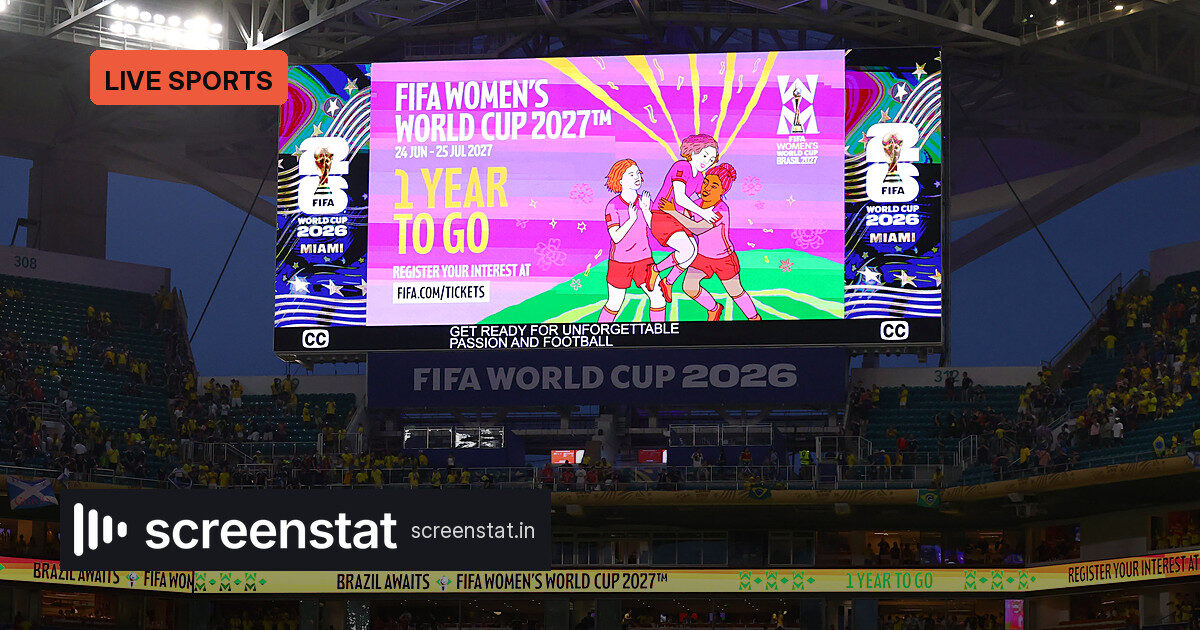
Netflix has appointed IMG to produce the FIFA Women’s World Cup 2027. The tournament, hosted by Brazil from 24 June to 25 July, will stream exclusively on Netflix in the U.S. and Canada.
IMG will produce all 64 matches and more than 100 hours of studio programming. U.S. coverage will run in English and Spanish; Canadian coverage will run in English and French. That is a bilingual, wrap-around slate rather than a minimal match feed.
“The FIFA Women’s World Cup is one of the fastest-growing events in global sport,” said Adam Kelly, IMG president.
Why this matters for streaming
This is Netflix’s first move into exclusive live football. The deal builds on a December 2024 rights announcement that included documentary content alongside each match. Netflix also holds rights for the 2031 tournament, so the appointment is less about one summer and more about establishing live football as a persistent part of the platform.
The choice of IMG is a production-capacity play. IMG already works across Major League Soccer, the English Football League, the WTA Tour, the Saudi Pro League, CBS’s UEFA Champions League and Europa League coverage, UFC, the DP World Tour and golf’s majors. Netflix is renting expertise instead of building a live-sports division from zero.
What media teams should watch
For buyers and planners, the 2027 tournament is now easier to model: 64 matches, 100-plus studio hours, two language feeds in the U.S. and two in Canada. That is inventory that can be planned months ahead rather than negotiated match by match.
- 64 matches and 100+ studio hours
- Bilingual feeds in the U.S. and Canada
- First exclusive live football, with 2031 rights already held
The women’s game is being positioned as a growth asset, not a supporting act. Kelly called it one of the fastest-growing events in global sport, and the production structure creates more ways to hold an audience than a live match alone.
The unresolved question is execution. A month-long live tournament tests scheduling, discovery and latency—especially for a platform whose audience is used to on-demand viewing. The sports strategy is real; the operational performance will decide whether it sticks.
Source: Deadline