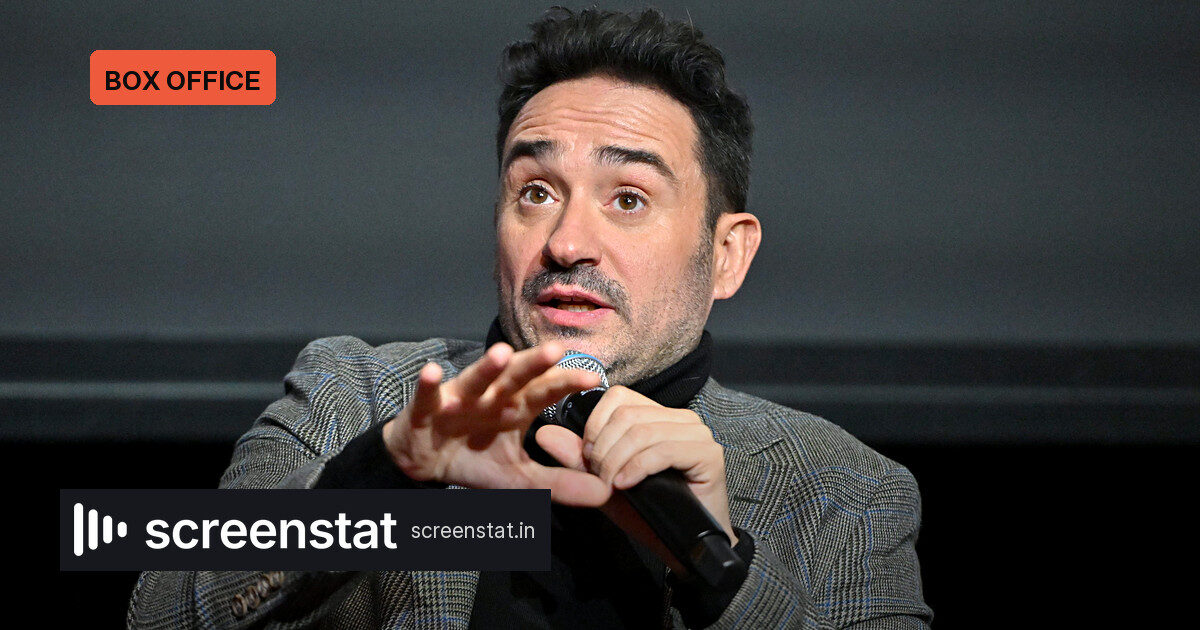
Netflix is quietly unwinding one of the defining bets of its peak-TV era: paying top filmmakers to keep making movies for the platform. The latest signal came Thursday, when the company confirmed its production deal with David Fincher is ending after six years. Originally announced in 2020 as a four-year exclusive arrangement, the deal brought Mank to the service and set up 2023’s The Killer.
The prestige math stopped working
The Fincher numbers illustrate why. Mank earned about $100,000 during a three-week theatrical run against a $25 million budget. It was nominated for 10 Oscars and won two, but spent only one day on Netflix’s most-watched movie chart, in last place. The Killer opened at No. 1 on the chart, yet its $452,000 theatrical gross against a $175 million budget made it another money loser for the streamer. Fincher’s next Netflix film, The Further Mis-Adventures of Cliff Booth, will have a two-week theatrical window before streaming on December 23.
The pattern is not limited to Fincher. Shawn Levy ended nearly a decade of exclusive Netflix work and signed an overall deal with Disney last month. Stranger Things co-creators Matt and Ross Duffer moved to Paramount in August 2025 on a four-year TV and film deal; their first Netflix series after that, The Boroughs, debuted in May to respectable numbers but was canceled a month later. Netflix has also parted ways with Noah Baumbach, whose White Noise and Jay Kelly failed to break through.
What Netflix is keeping
The service is not dropping films entirely. Guillermo del Toro’s deal is ongoing, and Netflix is treating the first of Greta Gerwig’s Narnia films as an event with a seven-week theatrical window before streaming. Rian Johnson is taking a break after fulfilling his $450 million deal for two Knives Out sequels, but could return.
In an interview with The Hollywood Reporter, Netflix co-CEO Ted Sarandos framed the Levy and Duffer exits as filmmakers wanting to spend more time on feature-length projects. The real shift is bigger. Netflix is prioritizing lower-budget series, live events and sports—formats with clearer evidence of bringing subscribers back week after week.
Why media planners should care
This is a media-planning story as much as a Hollywood story. Netflix’s recent marketing energy has gone to reality formats such as Squid Game: The Challenge, Wonka’s The Golden Ticket and The New Stanford Prison Experiment. The rationale: episodic and live programming creates recurring viewing moments that drive retention, while expensive one-off films often produce one great week followed by churn.
- Prestige director deals are being cut or allowed to lapse; lower-budget episodic bets are growing.
- Select event films still get long theatrical windows to build cultural heat before streaming.
- Netflix’s spending is shifting toward formats with repeat-visit logic: series, live and sports.
Netflix lost Mike Flanagan to Amazon in 2022, and the reality slate does not have the same marquee appeal. But the service appears willing to accept a less premium feel if the usage data holds.
For entertainment marketers, the takeaway is to model campaigns around retention events rather than assuming auteur prestige will guarantee subscriber acquisition. A seven-week theatrical window for Narnia is not a return to the old movie business; it is a deliberate marketing runway for a streaming event. The streamer has not become less ambitious—it is becoming more disciplined about which ambitions get funded.
Source: The Verge