The arithmetic Netflix could not make work
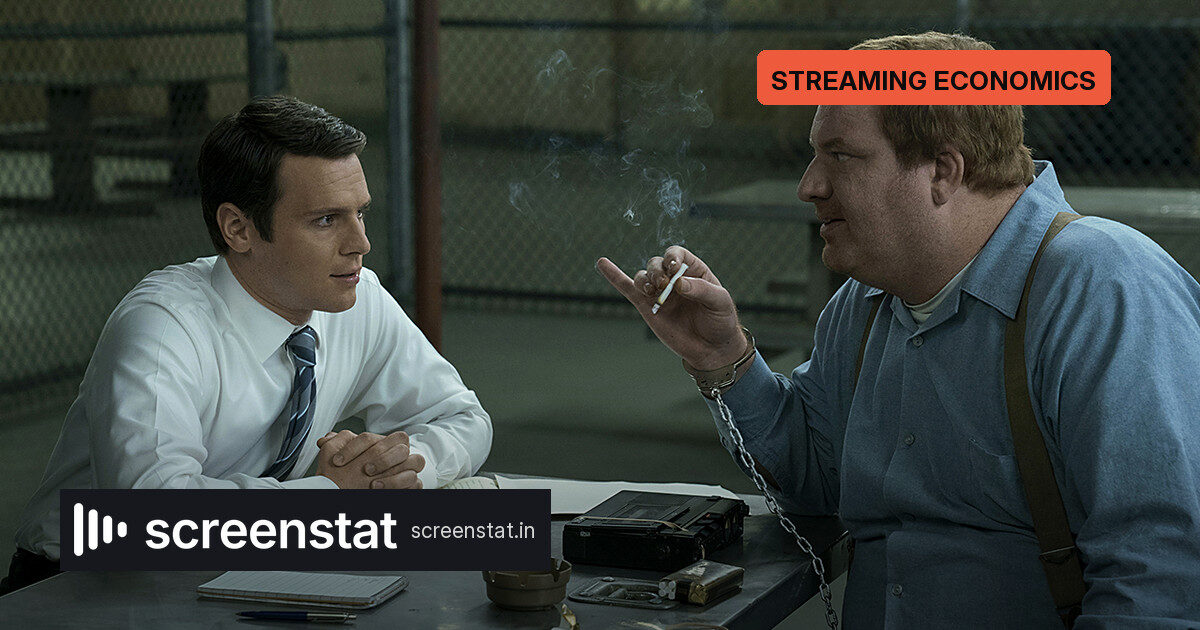
David Fincher has put hard numbers on the quiet end of Mindhunter. On the Happy Sad Confused podcast, the director said Netflix told him around 2 million people loved the series, but it cost roughly $100 million a season.
That is the entire cancellation story in two figures. A beloved show with a loyal, vocal base was still too expensive for the audience it actually pulled. Netflix placed the series on indefinite hold in January 2020 and later released the cast from their contracts.
What Netflix asked for, and what Fincher refused
Netflix asked whether anything could grow the audience. As Fincher tells it, the suggestions included having the agents run after somebody with a gun, and making concessions to move the show closer to a CSI-style procedural.
Fincher’s answer was short: “No, I can’t. I won’t. And I don’t think you really want me to.”
He said Netflix agreed it did not want that diluted version of the series, but also didn’t know how else to expand the base. For media planners, that’s the clarifying moment: a platform may pass on short-term reach to protect a prestige asset, but it still needs a growth path somewhere.
Scale logic: why 2 million was not enough
Fincher couldn’t see a route from 2 million viewers to 10 or 12 million. He pointed to House of Cards, which peaked at 7 or 8 million and “begins to justify the cost.” Crudely, the maths runs to about $50 of production spend per engaged fan per season.
That is the metric renewal executives are really weighing: cost per engaged viewer, not social-media sentiment. A third season would have widened the gap further because cast pay structures rise in later seasons.
The takeaway for streaming professionals is plain: niche prestige can work as a brand investment or an anchor title, but the platform has to book it that way upfront. Judged as unit economics against mass scale, a $100 million talk-driven drama will almost always lose.
Production problems added to the bill
- Season 1 premiered October 13, 2017; season 2 landed August 16, 2019 — a 22-month gap.
- Fincher says season 3 was on track for a roughly 24-month wait.
- Season 2’s first eight or nine scripts were discarded and rebuilt, costing close to a year.
Fincher described running both seasons as a “clusterfuck,” citing 90-hour weeks on season 1. He said he never wanted the showrunner job but ended up doing it anyway, and that the traditional writers’ room “has no authorial voice.”
What happens next for Fincher and Netflix
Nothing in the account suggests a revival is coming. Fincher joked that fans would need to “make 10 million friends” who each send $10 to cover the $100 million. He added that he loves “that people finally loved the show.”
Bloomberg reported in September that Fincher opted not to renew his overall deal with Netflix, which expires next year, though he could still make projects with the streamer. His next Netflix title, The Further Mis-Adventures of Cliff Booth, opens in IMAX on November 25 and streams December 23.