At a BFI London Film Festival industry panel on Monday, co-production was framed less as a financing structure and more as a risk problem. The session, held in association with The Hollywood Reporter, brought together producers behind Cannes winner Fjord, award hopefuls Paper Tiger, Everybody Digs Bill Evans and The End of It, and international Oscar winners Sentimental Value and I’m Still Here.
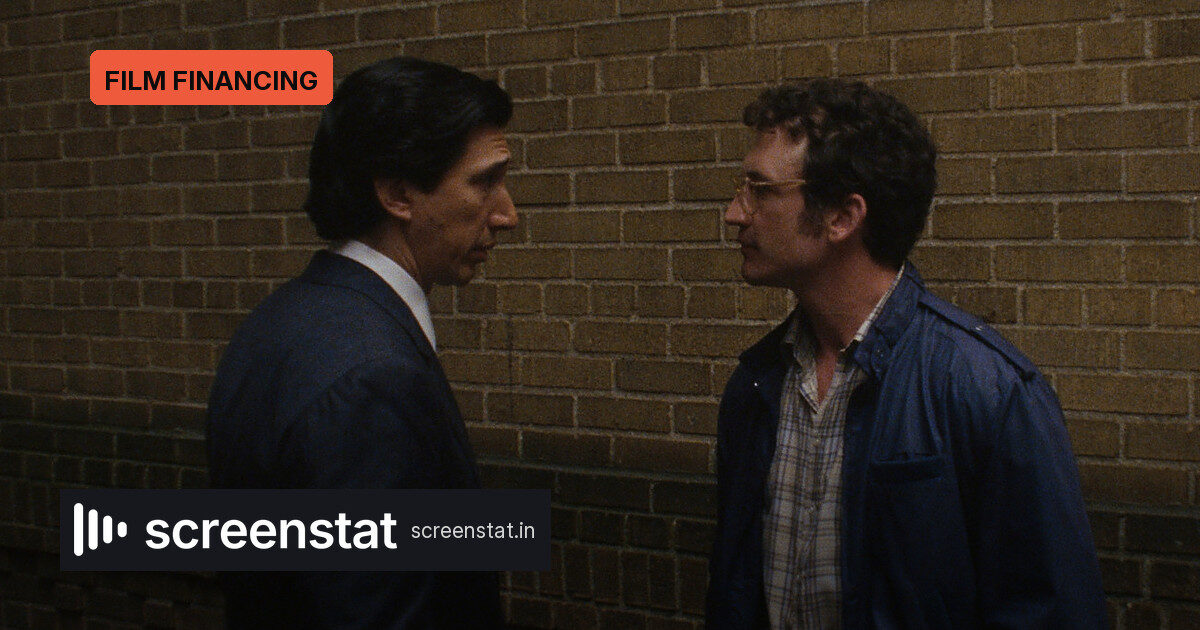
RT Features founder and producer Rodrigo Teixeira had the bluntest takeaway: when he works with James Gray, the most recent project being Paper Tiger, he expects to get his money back.
A repeat bet, not just a relationship
Teixeira said he knows how to work with the director, and that his money “always comes back.” He called Gray’s films “a safe investment.” That phrasing matters for the business because it turns a creative partnership into a risk model. A producer with repeated access to the same director is effectively saying the track record is the underwriting.
The wider panel, A Shared Vision: Perspectives on Co-production, mapped the less glamorous frictions that can still sink a project.
Cross-border frictions
- Paperwork: U.K. and Ireland producers often expect more lawyers and more meetings than is common in some other European markets.
- Communication styles: Dyveke Bjørkly Graver of Eye Eye Pictures described a Norwegian-Greek production where shouting and arguing looked normal to her Greek partner but alarming to the Norwegian team.
- Hollywood: Teixeira described the process as industrial—meetings with dozens of people and little producer power.
In each case, the solution was not a better contract template. It was a local producer or long-standing collaborator who could translate the system before it became a problem.
For media planners and brand partners, this has a practical edge. A package built around a repeat director-producer relationship can carry a different risk story in a sponsorship or distribution conversation than a first-time pairing. The track record is the pitch.
What buyers should do with this
For distributors, financiers and platform executives, the signal is not “James Gray is hot.” It is that experienced producers already price some creative relationships as lower risk because capital has returned before. That makes repeat collaboration a useful early filter when evaluating packages.
There is a limit: the panel shared a producer’s track record, not independent return data. Treat the statement as one data point. Ask for the actual performance history behind the confidence.
Source: The Hollywood Reporter