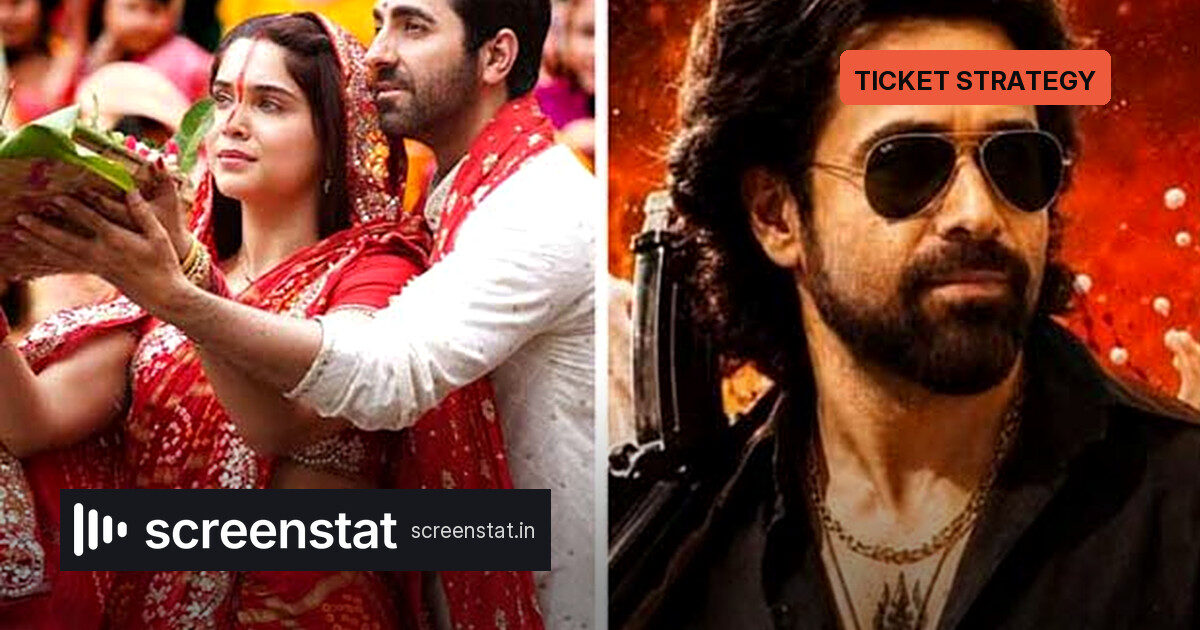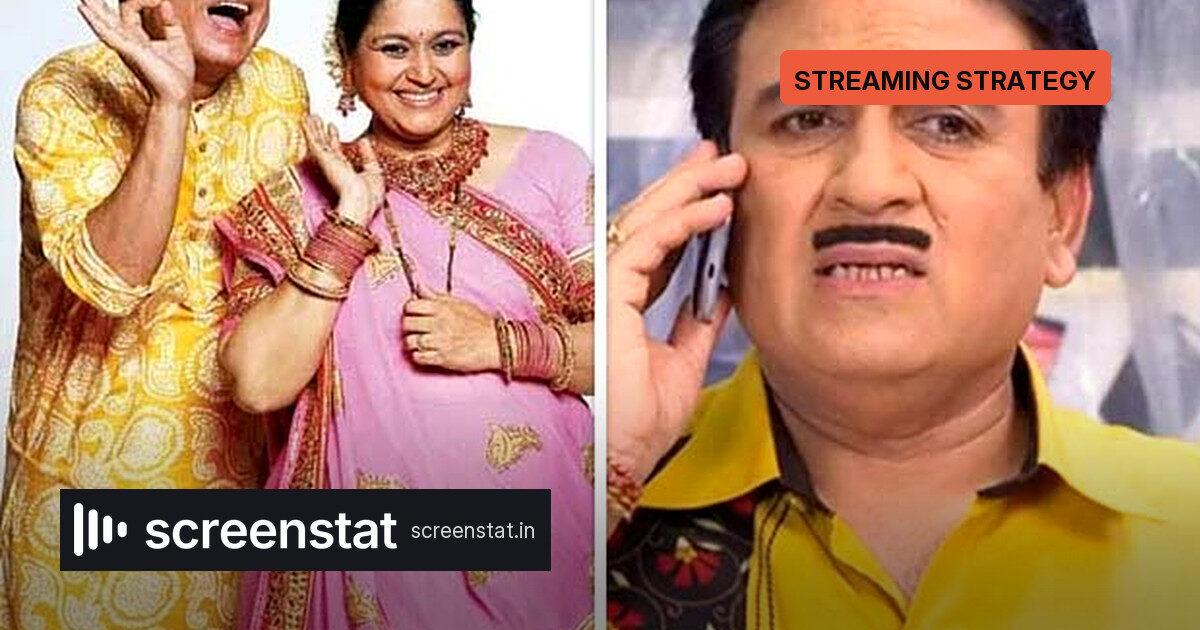
Indian viewers are increasingly treating older films and shows as an active part of their entertainment mix. The shift is visible in OTT libraries, television rewatches and theatrical re-releases, where familiar titles are finding new audiences without pushing aside new releases.
Access is doing the heavy lifting
The main driver is availability. Films and shows that were once difficult to locate now sit inside streaming libraries, ready to play. This creates two behaviours at once: older viewers return to titles they grew up with, while younger viewers discover cinema they had previously seen only through references or clips.
Television shows have followed. Older serials and comedy formats continue to find viewers through streaming and online fragments. For some, the appeal is memory; for others, it is a storytelling style that feels distinct from current formats.
Re-releases turn memory into demand
Theatrical re-releases are the clearest signal that nostalgia has commercial weight. Popular titles are returning to cinemas, drawing audiences who want a first big-screen experience or a repeat visit tied to a specific memory. Familiar music, dialogue and performances, often kept alive through social media, reduce the need to explain why the title matters.
- Familiar titles lower the effort of choosing something to watch, especially in a crowded app.
- Re-releases let proven films earn again with less risk than an untested title.
- Social clips work as an unpaid reminder loop, creating fresh entry points for new viewers.
The limit of nostalgia
The caveat is straightforward: familiarity opens the door but does not close the sale. A sequel, remake or re-release may attract attention because of the original, but audiences still expect a worthwhile experience. Nostalgia is a hook, not a replacement for quality or a clear reason to watch now.
What media planners and platforms should do
Catalog can be programmed as an active asset rather than stored as a volume number. Scheduling older titles around festivals, anniversaries or cast milestones can make a familiar film feel timely. Combining emotional hooks with a fresh context—a remaster, a cast reunion, a new interview—gives viewers a reason to act instead of just remember.
For advertisers, older titles also change context. Placement around a well-loved film can reach audiences in a receptive, low-ad-friction state, but only if the content surrounding it is maintained and discoverable.
The broader finding is that audiences are not choosing between old and new. They are expanding their repertoire. Platforms and advertisers that plan for this dual demand can use catalog as a retention and acquisition layer, not just a licensing footnote.