
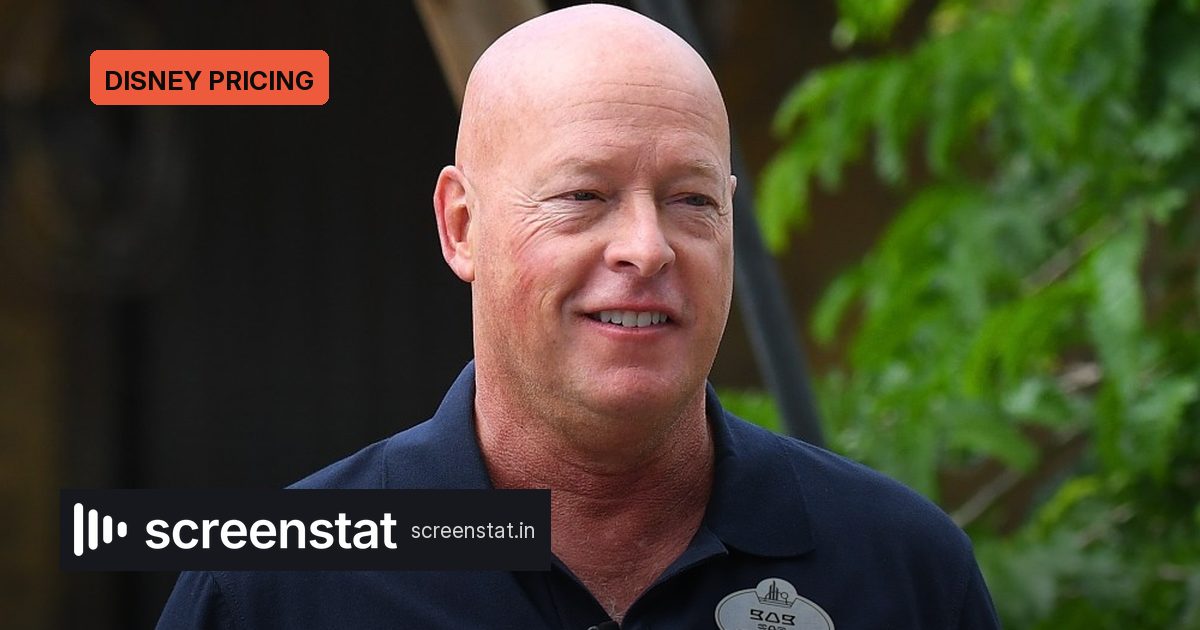
Bob Chapek’s memoir, Behind the Castle Walls, publishes Sept. 29, and it is a pointed defense of his brief Disney CEO run. Variety obtained an advance copy of the 272-page book, co-written with Don Yaeger. Chapek, who led Disney from February 2020 until November 2022, claims Bob Iger never truly accepted the succession. Iger returned after Chapek’s ouster and stepped down this March, replaced by former parks head Josh D’Amaro.
The central charge
Chapek writes that Iger “was the real reason” the board removed him. He says Iger regretted the appointment and launched “a relentless three-year campaign” to push him out. In the memoir, Iger is mentioned by name 121 times, and Chapek describes Iger telling him he thought he was “the modern reincarnation of Walt Disney.”
His self-assessment is blunt: he says he did “nothing” wrong, and attributes his exit to Iger’s difficulty letting go.
The pricing numbers he still defends
Chapek devotes significant space to his parks pricing decisions. When the first annual-pass increase hit, Disneyland had 1.1 million passholders. Afterward, the figure dropped to 1 million, but revenue rose because ticket prices were higher. His conclusion: “I considered that a huge win.”
He also points out that Iger later said Disney may have been “a little bit too aggressive” on pricing, then raised prices several times over the next two years.
The same pattern appears in home video. Chapek says The Return of Jafar was widely panned and called “terrible” by Pixar’s John Lasseter, yet it reached nearly $300 million in sales, against Aladdin‘s $217 million U.S. theatrical net and more than $500 million worldwide.
The political flashpoint
Chapek also revisits Disney’s 2022 response to Florida’s Parental Rights in Education Act. He says Iger’s public tweet—“I’m with the President on this!”—made behind-the-scenes talks with state legislators harder. Chapek wanted Disney to avoid a public political statement; after employee pressure, he apologized at the shareholder meeting. Then-Gov. Ron DeSantis labeled Disney a “woke corporation,” and Chapek claims Iger stayed publicly silent during the expensive legal fight.
What it means for the screen business
For media planners and entertainment marketers, the book is useful when read as a pricing and positioning case study. Customer count and revenue are not the same metric.
- Disneyland passholders fell from 1.1 million to 1 million, but revenue rose under the new pricing.
- The Return of Jafar was creatively panned and still nearly hit $300 million in sales.
- Iger criticized price aggressiveness after Chapek left, then raised prices again.
Chapek also offers a concept for leadership style: “management by pronouncement,” where major moves are announced in public before internal teams can debate them. It is a recognizable pattern for anyone who has watched platform or content decisions land as press releases before internal buy-in.
Disney and Iger declined to comment, and Disney insiders reportedly view the book as one-sided revisionist history. The enduring lesson is not who was right but what the numbers show: a price increase can shrink an audience and still expand revenue, while the public narrative can carry its own long-term cost.
Source: Variety