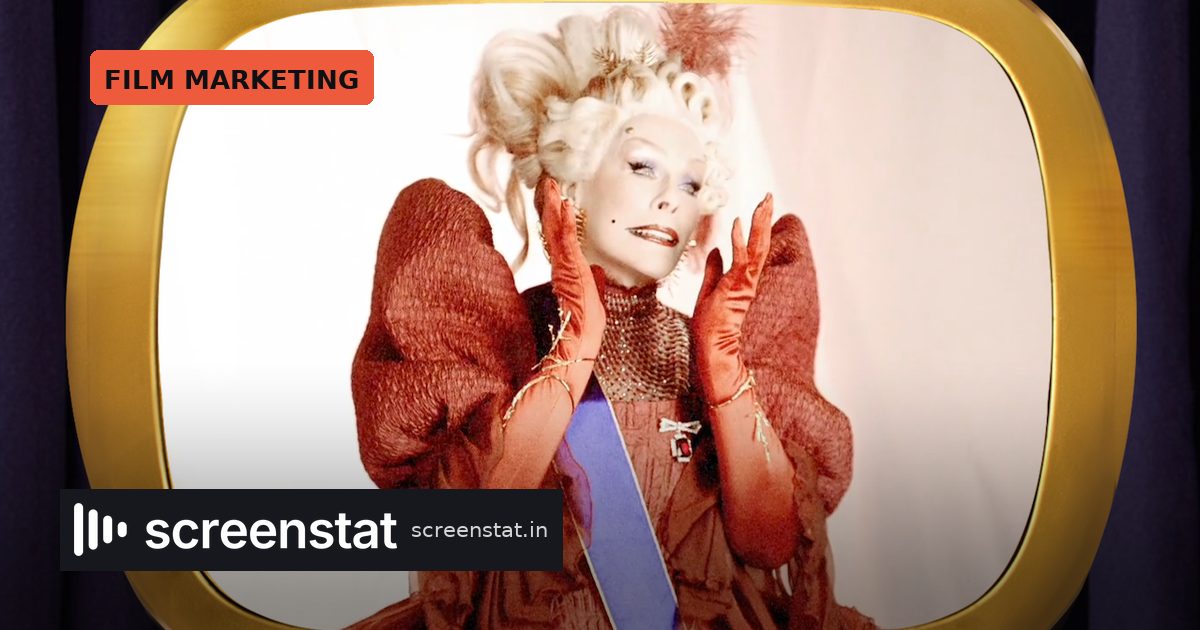

Hirokazu Kore-eda has made a live-action version of Look Back, the Tatsuki Fujimoto manga that was already turned into an animated film in 2024. Variety’s review, published on 7 September 2026, calls the first half occasionally too sweet before the film reaches what the critic describes as a moment of transcendence, closing on a bittersweet but deeply satisfying note.
For a data-and-business readership, the interesting part is not the star rating. It is the structure of the release: the same source material, two screen versions, two years apart, in two different formats.
What the film actually is
The story follows Fujino, the star manga artist of her fourth-grade class, played as a child by Furi Nanase and as a teenager by Natsuki Deguchi. Her rival-turned-collaborator Kyomoto is played by Rokka Okada and later Aju Makita. Kankuro Kudo appears as their teacher, Mr. Tamai, and Masaki Suda plays an editor at publishing house Shueisha who picks up the pair’s first story. Yuta Bandoh scores the film, which leans heavily on sound design — pencil on paper, digital styluses on screens — and on Kore-eda’s familiar seasonal transitions.
It is, per the review, essentially a two-hander. Adults are pushed to the margins. That matters commercially: a small cast, contained locations and an animation insert at the climax describe a mid-budget film, not a tentpole.
The double-adaptation playbook
Japanese IP has become one of the most reliably exportable content categories in the world, and Look Back is a clean case study in how a single manga can be monetised more than once on screen:
- Layer one — anime. The 2024 animated version reaches the core manga readership and travels globally through anime-native distribution and streaming windows.
- Layer two — auteur live action. A Kore-eda credit shifts the same title into arthouse, festival and awards-season channels, where the buyer set and the pricing logic are completely different.
- Layer three — catalogue value. Two versions of one title give streamers a bundling opportunity: recommend the anime to live-action viewers and vice versa, lifting completion and time-in-app on the same IP.
The risk is cannibalisation. If the anime landed within recent memory for the same audience, the live-action version has to justify itself on craft and cast rather than novelty. Reviews like this one, which flag a slow first half but a strong payoff, tend to point to a word-of-mouth title rather than an opening-weekend title.
Why it matters for buyers and planners
Kore-eda is one of the few Asian directors whose name functions as a marketing asset outside his home market, and manga adaptation is one of the few genres where a specialty release can plausibly reach a young, global, streaming-first audience. Put those together and you get a title that behaves like arthouse in theatres and like anime-adjacent IP on a platform.
Practical read for the trade:
- Distributors: expect a platform release pattern — limited theatrical, strong per-screen ambitions, then a long streaming tail driven by the manga fanbase rather than critics.
- Streaming acquisition teams: the value here is pairing rights. Owning or licensing both versions is worth more than either alone.
- Media planners in India: manga and anime consumption on Indian OTT has grown from a niche to a scheduled programming block. An auteur live-action manga title is a useful test of whether that audience follows the IP or only the animation.
- Marketers: the film’s own subject — two young creators splitting the work of storytelling and world-building — is a ready-made hook for creator-economy campaigns.
The number to watch
There is no box office data yet. When it arrives, the metric that will tell the real story is the ratio between the live-action film’s opening and the 2024 anime’s performance in the same markets. A high ratio says auteur branding expands the audience. A low one says the anime already served it, and the double-adaptation model has a shorter shelf life than publishers hope.
Source: Variety