
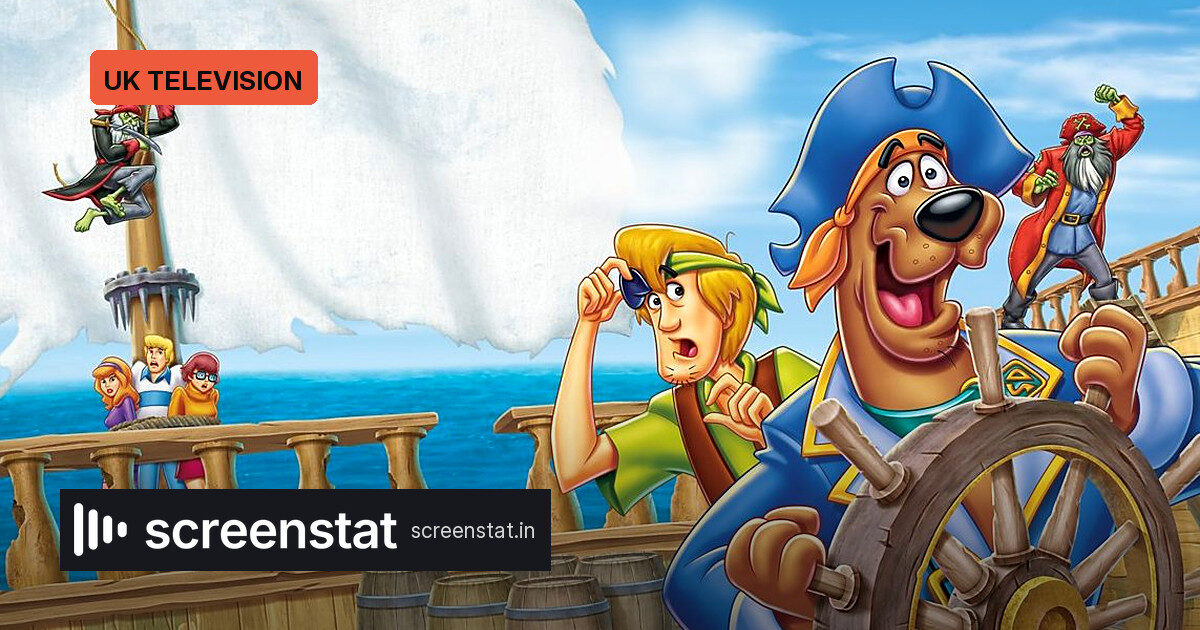
UK lawmakers have told the BBC to stop spending licence-fee income to outbid commercial rivals for imported programming, with Scooby-Doo named as one flashpoint in a broader argument about what public service broadcasting is for.
The committee’s line
The Digital, Culture, Media and Sport Committee sided with ITV, Sky and Channel 4 in a report on the BBC’s future. Its conclusion: the BBC should not pay “over the odds” for overseas content, particularly when it is bidding against other UK broadcasters that depend on commercial revenue.
Labour MP Natasha Irons pressed director general Matt Brittin on the issue in July, asking what public service value came from outbidding commercial broadcasters for titles such as Scooby-Doo when the money could be invested in Britain.
The BBC’s defence
Brittin said foreign acquisitions take up less than 5% of the BBC’s content budget and can steer audiences toward public-service programming. He added that acquisitions would be examined as part of the corporation’s plan to save £500 million ($670 million) over the next three years.
“That’s something I’m looking at reviewing as part of the cost savings,” Brittin said.
What ITV wants
ITV’s written evidence goes further. It urged the government to add a charter rule preventing the BBC from using public-service broadcasting expenditure for non-UK acquired content unless the BBC is the purchaser of last resort. ITV also wants the BBC to be more transparent about the titles it buys.
The wider licence fee reset
The committee’s report also takes on how the BBC is funded. It argued that the licence fee should no longer be tied to a particular device or activity, so it can capture more households and raise revenue while reducing the individual fee where that does not undermine the BBC’s income.
Lawmakers also said the government should keep an open mind about a household levy attached to a utility or broadband bill. The BBC is open to the idea; ministers have repeatedly ruled it out.
Why it matters for the market
For media planners and entertainment marketers, this is less a story about a children’s cartoon than about the BBC’s role as a competitor in content markets. If the BBC steps back from imported catalogue buys, commercial broadcasters and streamers may face less licence-fee-funded competition for the same US titles. That could change prices, release windows and availability in the UK.
The “purchaser of last resort” test is the useful framework here: public money should enter only when a commercial buyer would not otherwise bring the content to UK viewers. The committee is not calling for a blanket ban, but it wants the BBC to justify each acquisition on value-for-money and public-purpose grounds.
Caroline Dinenage, the committee chair, framed the wider report as a warning. “Continue along the current path and we condemn a national institution to managed decline,” she said.
Bottom line
The BBC is under political pressure to shrink a small acquisition line and tie licence-fee spending more tightly to British content and public-service objectives. The next test is charter renewal: whether guidance becomes a binding rule, and whether ITV, Sky and Channel 4 gain negotiating room in imported programming as a result.
Source: Deadline