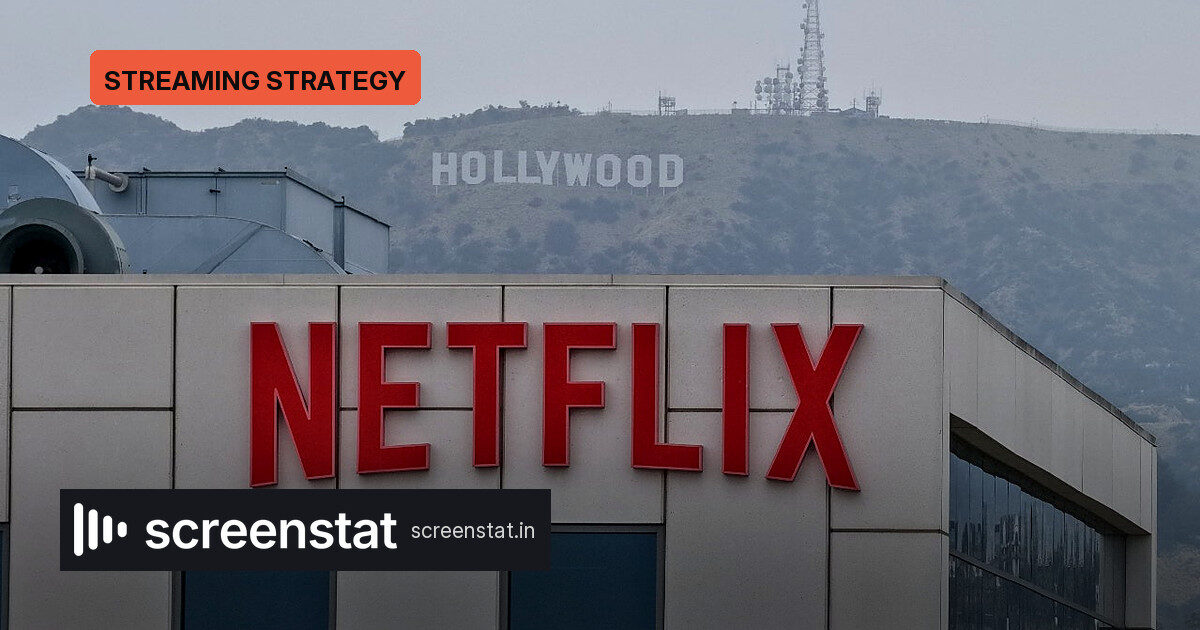
Netflix is preparing a different kind of shelf space: catalogue extensions from other brands sold inside its own app. On Tuesday’s earnings call, co-CEO Greg Peters framed add-on subscriptions as a way to “expand our entertainment offering” while the platform navigates an engagement slowdown.
Partners bring the catalogue, Netflix brings the reach
The clearest proof is TF1, the French broadcaster whose content launched inside Netflix in France this summer. Netflix’s Tuesday earnings materials describe the integration as generating incremental viewing. Peters said the product experience supports TF1’s brand while keeping it distinct, and that the same core benefits—incremental reach and incremental monetization—would apply to add-on deals.
Peters did not name the next partners or a timetable. He told shareholders to expect Netflix to keep looking for ways to add “core entertainment value” for members, with integrations sequenced alongside other priorities.
A licensing proof point in five titles
The add-on plan arrives as a separate licensing experiment pays off. After Disney licensed all five Ice Age films to Netflix in October, each title landed in Netflix’s top 10 movies list. Co-CEO Ted Sarandos called it a win-win: Netflix expands its catalogue, Disney collects revenue and reaches Netflix’s global member base, and members get more films to watch.
Why this matters for screen businesses
For media planners and streaming marketers, this is more than product news. It points towards wrapper economics: Netflix acts as the distribution shell while partners supply the catalogue, and both sides share the upside. Instead of outbidding for full rights, Netflix can test demand for a category through an add-on, then decide whether to deepen or drop.
That matters because engagement is the metric under pressure. If incremental viewing from TF1 is real, add-ons become a retention lever, not just a revenue line.
- Netflix is sequencing partner integrations, so the first names may be regional and brand-conscious rather than global.
- Licensed library titles are still capable of breaking into the top 10 quickly; five Disney films did it in October.
- Partner branding was kept distinct inside Netflix, a template for future add-on experiences.
What to do with the signal
If you market a streaming catalogue or plan against streaming audiences, treat your library as a possible co-branded add-on rather than only a full-platform launch. Negotiate for integration that keeps your brand visible and signals what consumers are getting, as TF1 did. Media planners should track where Netflix sequences these partners, because new add-on placements can shift viewing hours and reveal which genres are worth licensing.
Netflix has not committed to a timeline or a partner list. The practical takeaway is to watch for regional announcements first, and to treat add-on subscriptions as a strategic signal, not a finished product.
Source: TheWrap