Two executives with deep fandom and crowdfunding credentials are launching a studio built on a simple idea: the audience asking for a project is also its best financing engine.
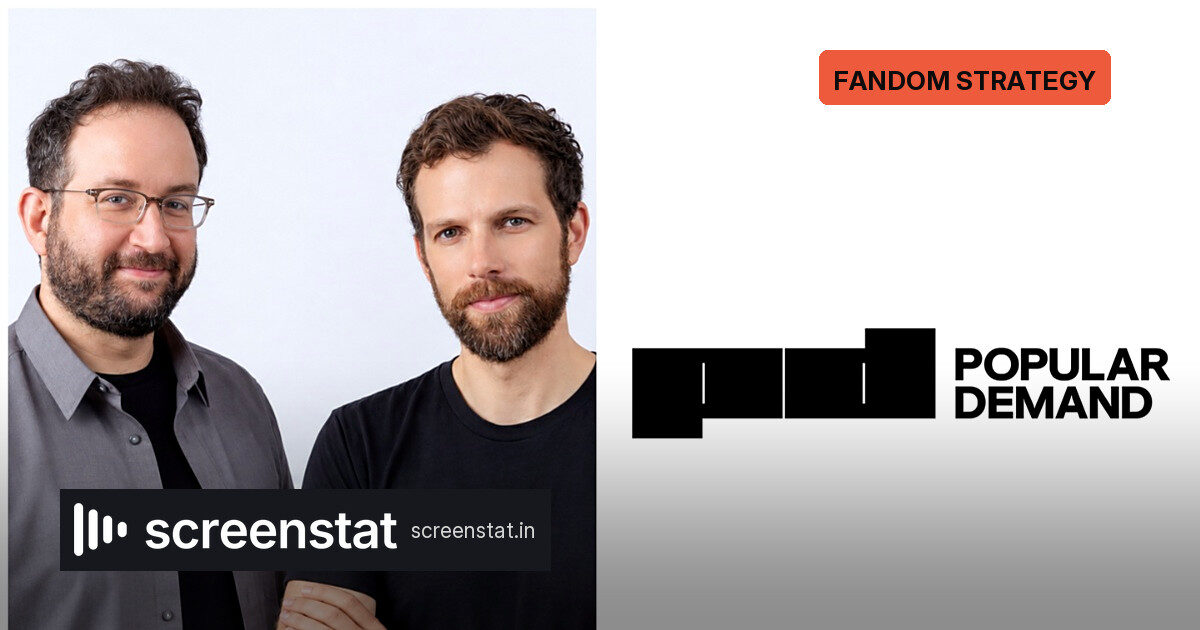
Jon Leland, formerly chief strategy officer at Kickstarter, and Ivan Askwith, previously digital media lead at Lucasfilm, have launched Popular Demand, a studio and technology company that will develop, finance, produce and distribute film, television, publishing, gaming and live experiences.
The first test case
Popular Demand’s first major release is Fucktoys, a neo-camp dark comedy-drama directed by Annapurna Sriram, who also stars alongside Sadie Scott, Damian Young, Brandon Flynn and François Arnaud. A theatrical release date is expected in the near future.
Askwith says the project began because a community was already asking how to help the film get distribution. For Popular Demand, that is not an after-the-fact marketing campaign; it is the business signal.
How the model works
Leland describes a process that moves fandom research into the development phase. Popular Demand works with creators, producers and IP holders to identify the right communities, brings in fandom researchers to study those audiences, and then shapes the project around that insight. On the financing side, fans and brands are brought in early to cover as much of the budget as possible, which the company says gives the creative team more control and more financial upside.
Founding partners include Daniel Dominguez and Jacob Robinson. The advisory board includes Kristen Bell, Alex Winter, Todd McFarlane, Ryan Lewis and Henry Jenkins, alongside executives from YouTube, Skybound, Artists First and CAA. Investors include TMV and additional private investors.
Why this matters for media planners
Popular Demand is treating audience demand as a pre-greenlight asset, not a post-release challenge. That has three practical implications:
- Community research can reduce distribution risk before a title is finished.
- Early fans become stakeholders, not just viewers, because they help finance and market the project.
- A clearly defined niche audience can support a release without needing mass reach.
What to watch
More projects and creative partnerships will be announced in the coming weeks. For entertainment marketers, the question is whether this fandom-first model scales beyond a single title. If it does, fan financing could move from crowdfunding platforms into the core operating model of specialist studios.
Source: Variety