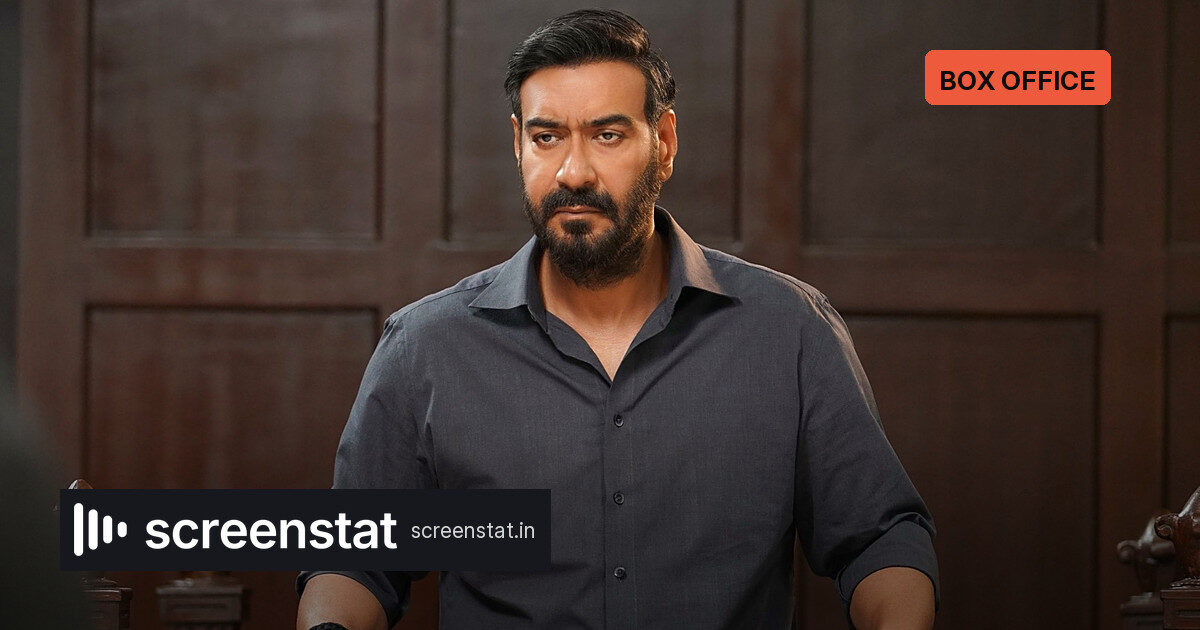
Nicolas Cage has turned a contract clause into a public break with one of streaming’s biggest spenders. At New York Comic Con’s “Spotlight” panel on Saturday, the actor said he likely will not work with Amazon again after refusing to sign an AI waiver for Spider-Noir, the Prime Video superhero series canceled last month.
“Amazon is a very AI-friendly company, to the tune of $50 billion invested in OpenAI,” Cage said. “I am not an AI-friendly actor, so it’s like, connect those dots!”
He added that he did not sign the waiver to let them use AI on Spider-Noir, and that he is probably not working with that studio again — adding that that is okay. A representative for Prime Video did not immediately respond to a request for comment.
The numbers behind the exit
The striking part is that Spider-Noir was not a demand problem. Prime Video canceled it last month, days before the series collected 11 Emmy Award nominations. It also drew 2.6 billion minutes viewed in its first six weeks.
- $50 billion: the Amazon bet on OpenAI that Cage cited as the reason he and the streamer are on opposite sides of AI.
- 2.6 billion minutes: the show’s viewing time in its first six weeks.
- 11 Emmy nominations: recognition that landed just after cancellation.
Cage sounded at peace. He said one season was enough to say what he wanted. At the same panel, he signaled his next move could be True Detective Season 5, telling fans to connect the dots after saying he would likely do another season of television.
A representative for HBO declined to comment on the casting.
Why the AI waiver matters now
This is bigger than a single actor. An AI waiver typically gives a studio permission to use a performer’s likeness or performance in generative AI outputs. When a star of Cage’s standing treats it as a red line, it tells production teams and platform executives that generative AI terms have moved from boilerplate to negotiation risk.
For streaming buyers, the commercial signal is clear: a platform’s AI posture can now influence which talent will sign on, how long projects can run, and how predictable a franchise’s future is. That changes how media planners should assess platform slates and renewal decisions.
Cage’s choice also reframes the cancellation. The series had enough audience and industry validation to continue, yet the actor’s public position suggests the relationship with the studio had already broken along an AI fault line. For business readers, that is a useful reminder that cancellation decisions are rarely one-dimensional.
What to watch
The key test is whether other name performers follow Cage’s lead and make AI waivers a public condition. If they do, studios may need to separate traditional appearance rights from AI rights, and factor that negotiation into budgets and timelines.
Source: TheWrap