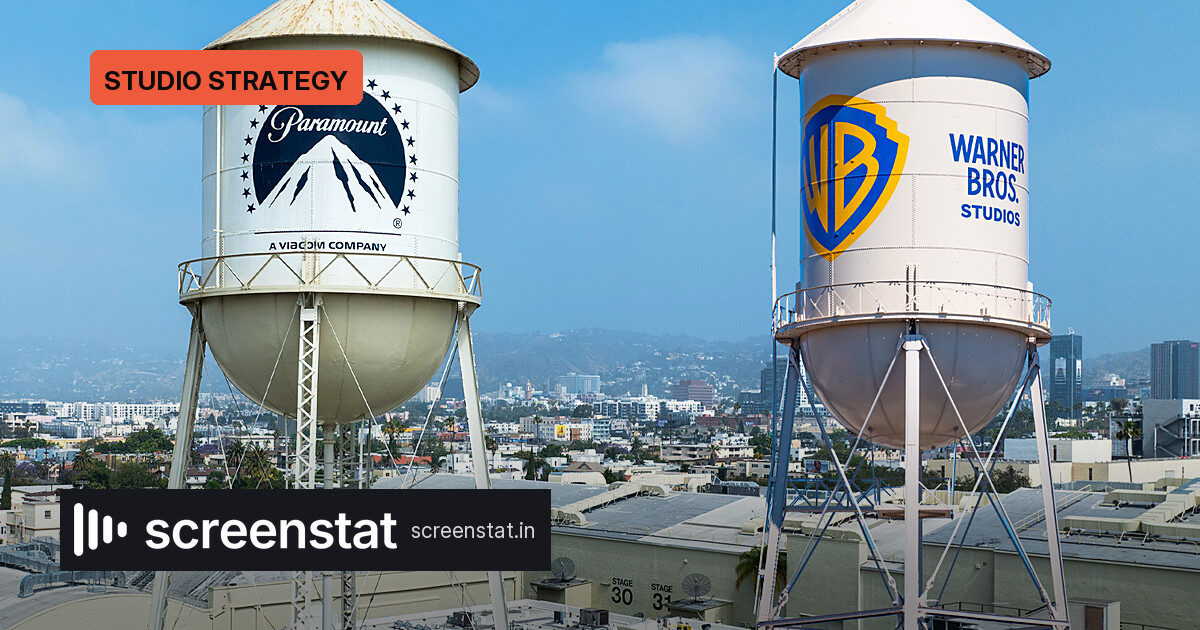

Paramount and Warner Bros. Pictures will keep separate film slates, release plans and on-screen logos, according to a day-one memo from Skydance Motion Picture Group co-chairs Josh Greenstein and Dana Goldberg sent Tuesday as the Paramount-WBD merger became official.
The film divisions, the memo says, are organized around the movies themselves. Paramount Pictures and Warner Bros. Pictures will continue to build and release their slates independently “under those brands,” with each film carrying its own label’s logo. Those two banners are described as the “cornerstone labels” for the biggest commercial and filmmaker-driven projects.
Below the flagships, DC Studios, New Line Cinema and Paramount Primal remain distinct labels with specific mandates. Animation and specialty outfits such as Republic Pictures and Warner Bros. Clockwork also stay independent.
The memo leans heavily on theatrical legacy. It frames moviegoing as a communal tradition and says the leadership is “all in” on the big screen. For an audience that tracks distribution windows and exhibition health, that is a meaningful signal: the new structure starts with cinema, not streaming consolidation.
A house of brands, not a single banner
The structure is a classic house-of-brands move. A parent keeps separate go-to-market identities instead of folding them into one studio name. That preserves two development pipelines, two release strategies and two sets of talent and filmmaker relationships.
Keeping two flagship labels can look counterintuitive when investors want synergies, but a studio logo is a brand promise. Losing it can make a slate feel like corporate output rather than a filmmaker home. By keeping logos intact, Skydance preserves much of what makes producers choose one studio over another.
Goldberg and Greenstein frame themselves as “stewards of two of the most storied studios in Hollywood history.” The upside is brand equity; the risk is internal competition for dates, marketing budgets and talent. The memo does not pretend a combination this size comes without change, and it leaves unresolved questions about staffing and overlapping functions.
What the market should watch
For media planners and entertainment marketers, the practical read is simple: do not model a merged Paramount-Warner theatrical slate. Buyers and campaign teams should still expect separate pitches, separate positioning and separate release calendars.
- Watch for release-date overlap between the two flagship slates.
- Track label mandates: DC Studios and New Line will not become interchangeable with their parent banners.
- Expect operational reviews before structural promises, with updates promised in the months ahead.
The memo signals where attention next goes. Greenstein and Goldberg have been working to put Paramount’s film unit on a financially reasonable footing; the note points to Warner Bros. as the next area to examine. That suggests cost, slate and staffing reviews are more likely than a fast rebrand.
The cleanest takeaway for the trade: the logos stay, the slates stay separate, but the P&L is now shared. That is the tension marketing and distribution teams will be watching as the next box-office season takes shape.
Source: Deadline