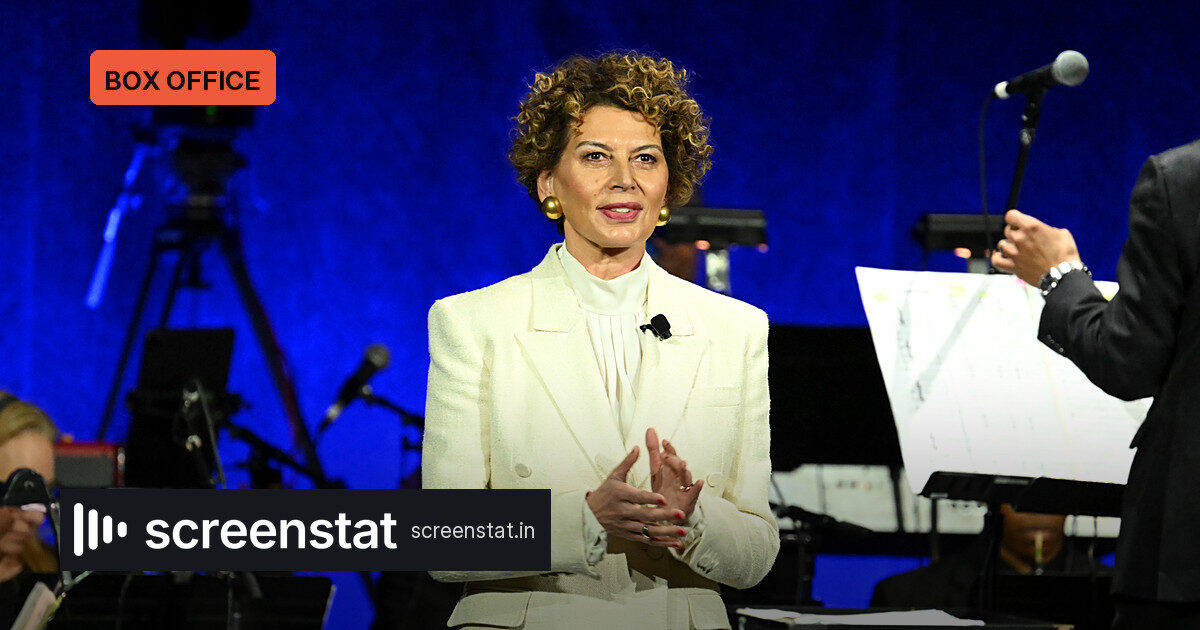
Donna Langley is drawing a hard line on the Paramount-Warner Bros. Discovery merger. The NBCUniversal Entertainment chairman told the Bloomberg Screentime conference that a combined studio is bad for the feature film market.
“I think it is bad. I think it’s bad for everything,” she said. Her worry is not about corporate scale for its own sake, but about output: fewer studios tend to mean fewer releases.
Volume builds the cinema habit
Langley argued that theatrical volume is what keeps audiences in the moviegoing rhythm. A steady mix of films gives younger viewers a reason to keep returning, and a lost studio threatens that pattern. She pointed to Fox-Disney as a cautionary precedent that was not great for the market.
The merger settlement calls for the combined company to release 30 theatrical films a year for the first two years after closing, then 32 films a year for the following three. The deal is expected to close next Tuesday.
- 30 films a year for the first two post-merger years.
- 32 films a year for the following three years.
- Mid-2027 is the target for the NBCUniversal-Sky split from Comcast.
- $15M to $500M-plus was the Obsession acquisition-to-gross story.
A talent move during a rival’s disruption
Langley also explained how Universal landed Taylor Sheridan. She said she saw an opening when another company was going through disruption. The conversation began with film because Sheridan’s Paramount deal was a first-look arrangement with fewer teeth than his television pact. That led to a five-year film and television deal with Universal starting in early 2029.
NBCU’s own split
Comcast plans to spin off NBCUniversal with Sky as a standalone public company by mid-2027. Langley called herself mostly excited and optimistic, saying the new company would not be tethered to a legacy business whose stock has struggled. She acknowledged the scale question, but framed it as a chance to explore where else the company should play for growth.
A cautious 2027 box office
Universal is the number one movie studio in the world this year in the best overall box office since the pandemic. Still, Langley does not expect 2027 to reproduce this year’s run of billion-dollar surprises. Her base case is lighter on mega-hits, with 2028 looking stronger again. She pointed to The Odyssey, which crossed a billion and outgrossed its second week in week three, and Obsession, a $15 million acquisition that generated over $500 million worldwide, as reminders that surprises still cut both ways.
For media planners and entertainment marketers, the takeaway is to treat release commitments as a floor rather than a slate. The number that matters is not how many films are dated, but how many are event-scale enough to sustain the cinema habit and the downstream streaming windows.
Source: Deadline