Paramount’s $111 billion takeover of Warner Bros. Discovery is set to close Tuesday, Oct. 6, after U.S. District Judge Araceli Martínez-Olguín approved a settlement with 12 state attorneys general. The Wednesday ruling removes the final antitrust barrier to a deal already cleared in 68 jurisdictions worldwide, including the U.S. Justice Department.
The transaction is the most expensive takeover in Hollywood history. It brings together two major film studios, HBO Max and Paramount+, and television networks including CBS, CNN, MTV, TBS, Comedy Central and Food Network. The combined franchise map runs from Harry Potter, “Game of Thrones” and the DC Universe to “Yellowstone,” “Mission: Impossible,” “Top Gun” and Nickelodeon.
What the settlement locks in
The consent decree has no structural remedies or divestitures, the outcome California Attorney General Rob Bonta had earlier pushed for. Instead, the merged company accepted operating commitments.
- Keep the Paramount Studios and Warner Bros. lots in California for at least five years.
- Invest at least an additional $300 million per year in U.S. film production.
- Release at least 30 films theatrically in the first two years, and at least 32 in years three through five.
- Apply a 45-day theatrical window for wide releases.
- Establish a news editorial independence board to set guiding editorial and journalism principles for CNN and CBS News.
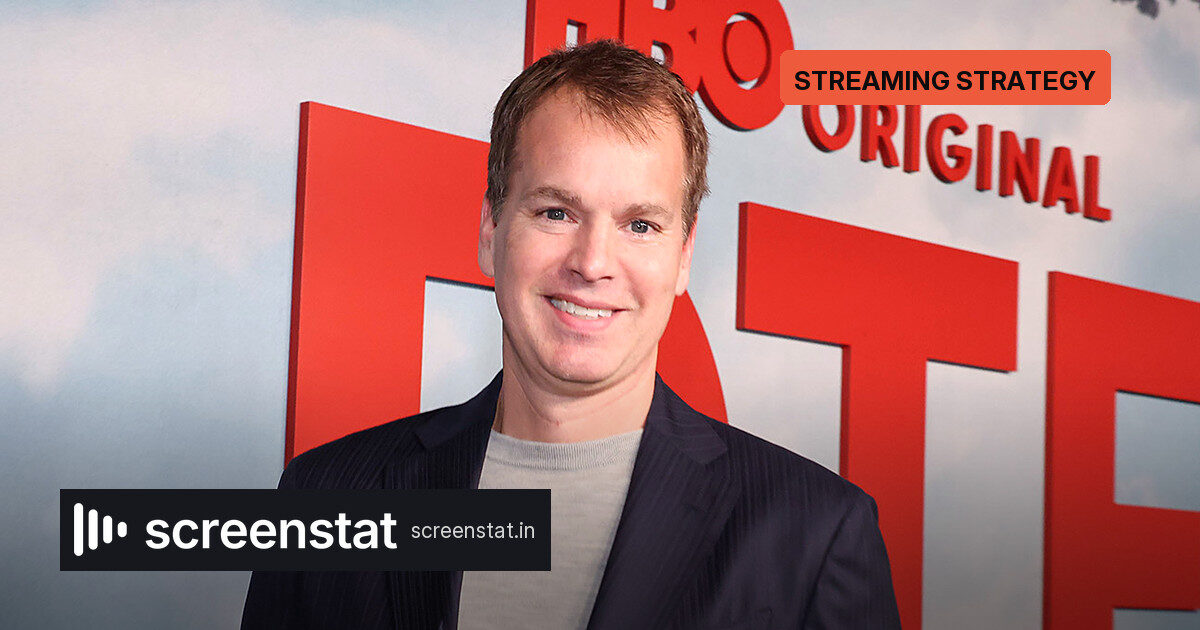
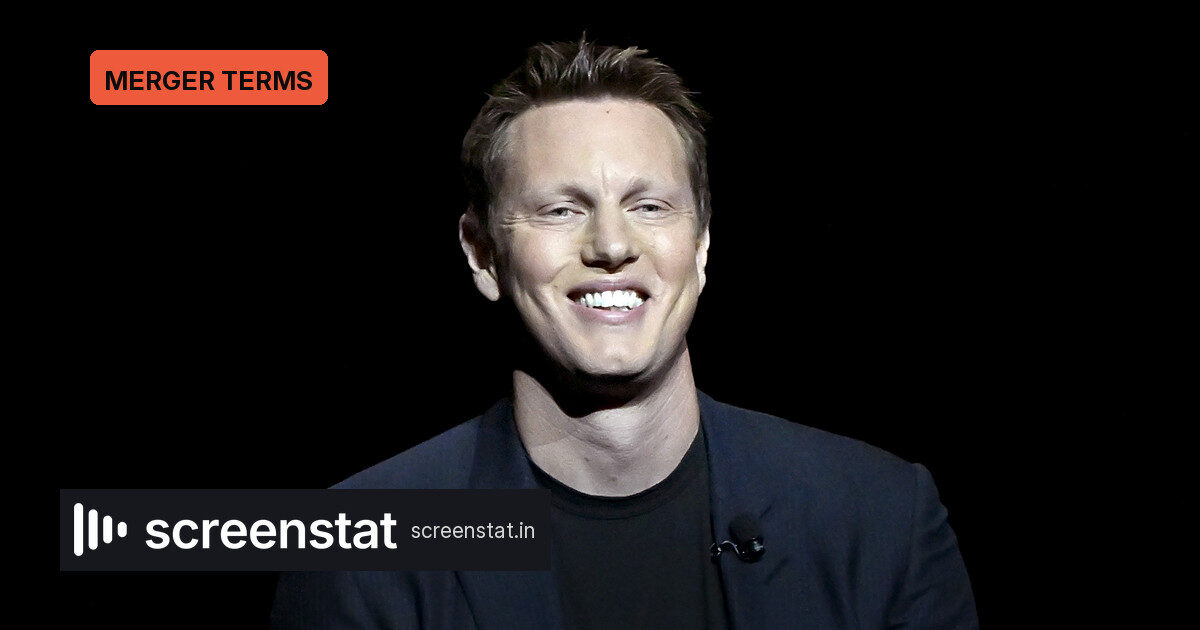
Leadership is also taking shape. David Zaslav is expected to depart as Warner Bros. Discovery CEO, with more than $550 million in stock and cash, including $34.2 million in cash severance. Casey Bloys, head of HBO, is poised to oversee the combined streaming business after Paramount+ chief Cindy Holland announced her exit Tuesday. Paramount chief David Ellison has recruited Mattel CEO Ynon Kreiz for a senior management role.
Why it matters for screen businesses
This is not just a corporate milestone; it resets the negotiating map. A single owner will control a larger share of premium streaming inventory, film slates and linear entertainment and news supply. For buyers, the theatrical commitment offers a near-term anchor: at least 30 releases in two years creates a more predictable slate for exhibitors and brand partners.
The bigger watch is streaming rationalization. With Bloys in charge of combined streaming and Holland exiting, the unresolved question is whether HBO Max and Paramount+ remain separate, bundle together, or consolidate. That decision will determine how addressable streaming supply is packaged and sold to advertisers.
Opposition did not disappear. The #BlockTheMerger coalition urged the judge to reject the settlement, and Sen. Cory Booker asked for an independent public-interest review. Paramount and the states countered that the agreement was vigorously negotiated and has teeth; the judge approved it without divestitures.
Source: Variety