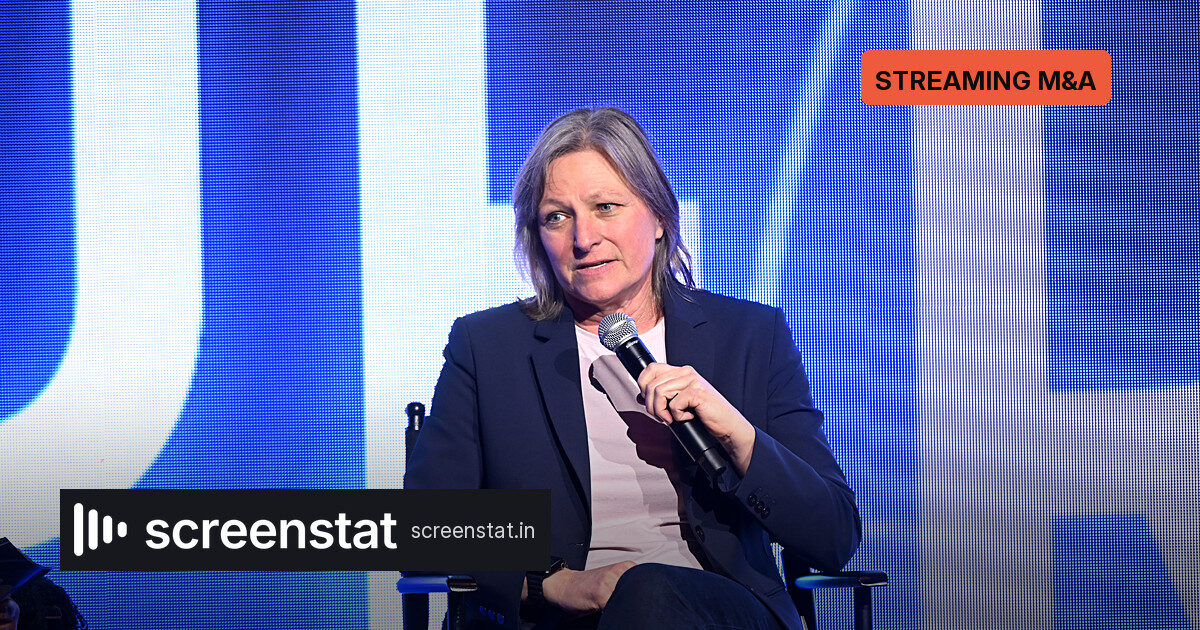
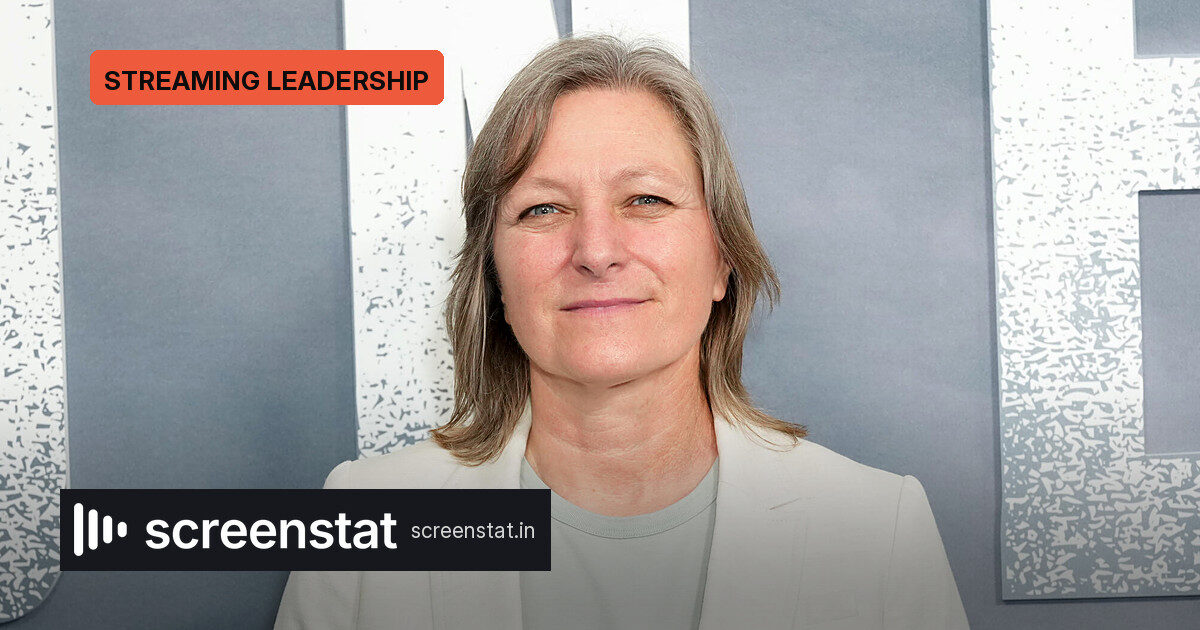
Paramount’s direct-to-consumer chair is leaving just as the streaming organization starts to take shape for a post-merger future. Cindy Holland announced her exit in a staff memo, with September 29 as her final day. She did not name a successor, but the memo’s wording points toward Casey Bloys, the longtime HBO and HBO Max leader at Warner Bros. Discovery, as the likely head of streaming.
A memo that reads like a transition signal
Holland’s note was short on specifics about Bloys, but it was clear about the reasoning. “David is optimizing for HBO stability as we move into this next chapter, and I fully support that,” she wrote, according to the report. The line is being read as a sign that the combined company will put the HBO brand and its programming chief at the center of the streaming strategy.
Bloys has been president of HBO programming since 2016, and his remit has expanded through HBO Max and the broader Warner Bros. Discovery portfolio. For a company preparing to combine two large streaming footprints, his record of sustaining HBO as a prestige anchor is the point.
What Holland leaves behind
Holland joined Paramount in January 2025 with a demanding brief: revive Pluto TV, integrate Paramount+, and advise on the Warner Bros. Discovery merger. During her tenure, Paramount+ reached 79.6 million subscribers. Her earlier career is part of streaming history: she spent 18 years at Netflix and helped build its original-programming push behind “House of Cards” and “Stranger Things.”
That profile matters because it frames this as a transition from strategy to execution. Holland was brought in to prepare the streaming assets for combination; the next chapter will be run by someone with a cable-to-streaming track record of maintaining a premium brand at scale.
Why this matters to media planners
The structure of the combined streaming business will determine where ad budgets go, how inventory is packaged, and which content brands command premium CPMs. For buyers and entertainment marketers, the biggest variable is not Holland’s departure itself but what it signals about the integration.
- What’s clear: Holland is out, and Bloys is being positioned to run streaming if the deal closes as expected.
- What’s still open: whether HBO/Max remains standalone, gets folded into Paramount+, or becomes a new combined service.
- What’s large: a planned 30-film annual slate across the two studios, with Warner film leadership still to be finalized.
The HBO advantage in a combined service
HBO has remained dominant at the Emmys even as Paramount’s Showtime brand was folded into Paramount+. That difference is a strategic asset: the combined company may want a programming leader who can protect premium value while two subscriber bases come together.
For ad-supported and FAST teams, the watchpoint is Pluto TV. A bigger combined streaming operation could create more ad inventory and cross-platform packages, but the benefit depends on execution speed and whether the apps stay separate, bundle, or merge.
What to watch next
The merger has not closed, and Bloys’ role is not official. If it firms up in the coming days, expect quick signals on reporting lines, brand hierarchy, and film studio leadership. The practical move for planners is to model three scenarios now—one unified service, a two-brand bundle, or separate apps with shared ad products—because each path implies different reach, pricing, and audience definitions.
Source: IndieWire