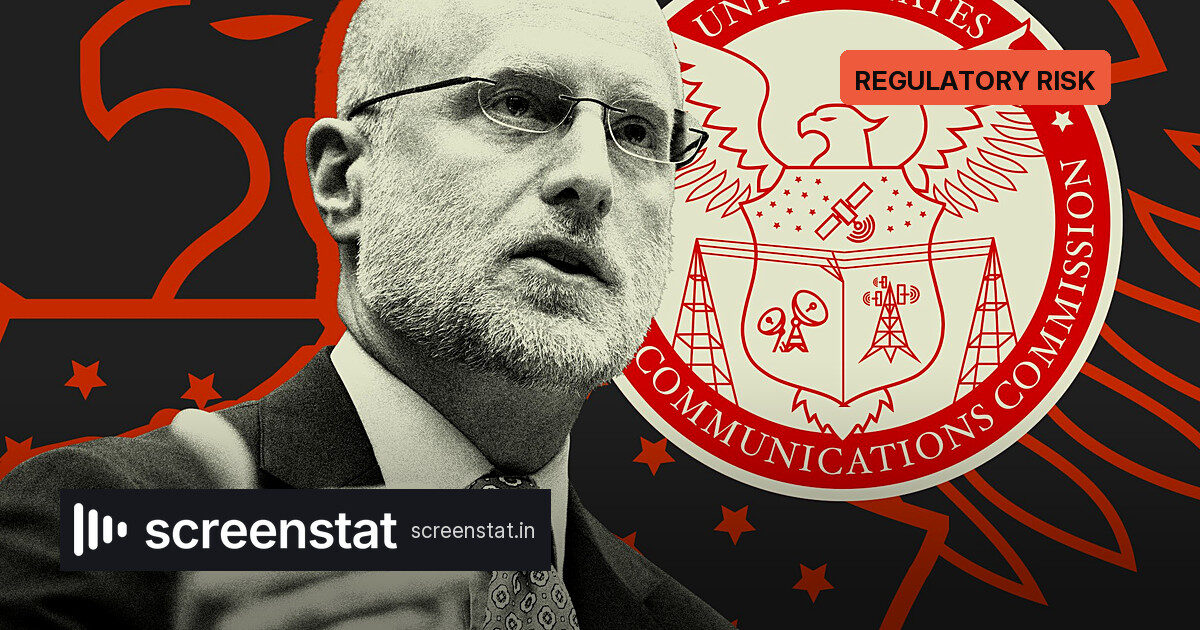
A federal judge has paused the Federal Communications Commission’s attempt to review ABC’s broadcast licenses years ahead of schedule.
What the court decided
US District Judge Loren AliKhan issued a preliminary injunction that bars the FCC from taking further action in the early review. The judge also refused to dismiss ABC’s lawsuit, writing that the network was “likely to succeed on their retaliation claim.”
ABC and parent Disney sued in August. Their argument: the agency was punishing ABC for its speech by threatening licenses that were not due for renewal until 2028.
A timeline that points to retaliation
- April 2026, day one: President Donald Trump called for ABC to fire late-night host Jimmy Kimmel over a skit about Melania Trump.
- April 2026, day two: The FCC ordered ABC to seek early license renewal, tied to an investigation of Disney’s diversity, equity and inclusivity policies.
- August 2026: Disney and ABC sued, accusing the commission of waging a retaliatory campaign over protected speech.
- This week: The court halted the early review and said judicial intervention was in the public interest.
Why this hits the television business
A broadcast license underpins ABC’s distribution, station relationships and advertising inventory. An early review tied to politics turns a routine regulatory process into a signal that content choices carry hidden costs. For advertisers and media planners, ABC carries sports, news and prime-time programs that flow into local station inventory and national buys, so any license threat quickly becomes a market risk.
The injunction removes immediate uncertainty. The case itself will shape how freely broadcasters schedule political satire and other controversial programming.
The line the judge drew
Judge AliKhan wrote that the commission may enforce the law as it sees fit, but it “may not retaliate against or punish Plaintiffs and other broadcast license holders for disfavored speech.” That distinction is the framework. Regulators may enforce neutral rules; they may not use license authority as a mute button for speech they dislike. If that standard holds on appeal, it constrains future efforts to use license reviews against networks, streamers or other video distributors.
What to do now
For media planners, ABC’s ad business remains uninterrupted while the case proceeds. Keep the network on schedules, but track whether the FCC appeals or pushes for a settlement. A preliminary injunction is not a final ruling: the risk is paused, not removed. The next signal is whether the agency appeals or lets the early review sit.