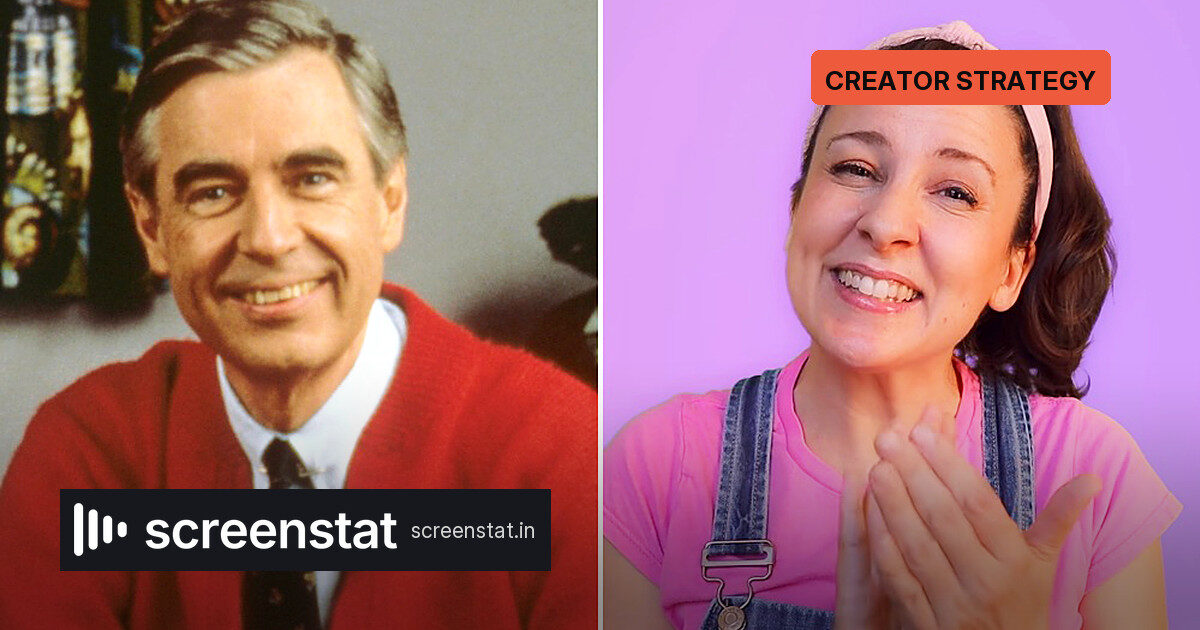
Rachel Accurso, the creator known as Ms. Rachel, says her children’s series is built on a model that was far more radical than it looks: the “intentional and caring” programming Fred Rogers and Sesame Street made decades ago. Speaking with Hasan Minhaj, she credited those shows with shaping how she thinks about kids’ media.
The radical edge of ordinary moments
Accurso pointed to scenes that now read as routine—Mr. Rogers sharing a pool with Officer Clemmons, Black and white children playing together on Sesame Street—and argued they were boundary-pushing when they aired. “It was so radical,” she said.
She connected that history to current positions. Children’s media, she argued, should carry the same care into policy: supporting SNAP benefits so kids can eat, opposing the killing of more than 20,000 children in Gaza, and putting a child like Rahaf on screen “just like any other 3-year-old.”
Directness as a programming choice
Ms. Rachel’s comments frame representation as an editorial decision, not a marketing layer. She noted that Mr. Rogers used his PBS series from 1968 to 2001 to talk plainly about death, assassination and war, and in 1983 devoted multiple episodes to challenging government spending on bombs during Cold War anxieties. “He came out and said it in the show,” she said.
She drew one contrast with her own format: because her audience skews younger, she often makes statements through presence—the people she puts on screen—rather than through direct commentary. That is still a stance.
What the business should watch
For streaming and creator-economy buyers, the interview is a positioning case study. Mission-driven children’s content can deepen parent trust and word of mouth, but it also narrows the comfort zone for advertisers and platforms that prefer to keep preschool programming politically neutral. Ms. Rachel is betting that a clearly articulated point of view is the asset.
- Values can be cast, not just tagged: who appears on screen does the work of a position.
- Directness has a history: Mr. Rogers tackled serious topics inside episodes, not in adjacent posts.
- Trust is the moat: parents return to creators who treat children’s media as a serious responsibility.
Her comments come after a week in which she visited children in immigration court and after earlier advocacy around children in ICE detention and Palestinian children in Gaza. The question for platforms and buyers is how comfortable they are when the next preschool hit arrives with that point of view already built in.