The Australian Film Festival of India is back after its COVID-era interruption, running across Indian cities through Dec. 22. The screenings are only part of the story. The sharper industry signal is a Screen Australia-backed bootcamp series built to pull Indian producers, investors and post houses toward Australia as the India-Australia Audio Visual Co-Production Treaty takes effect.
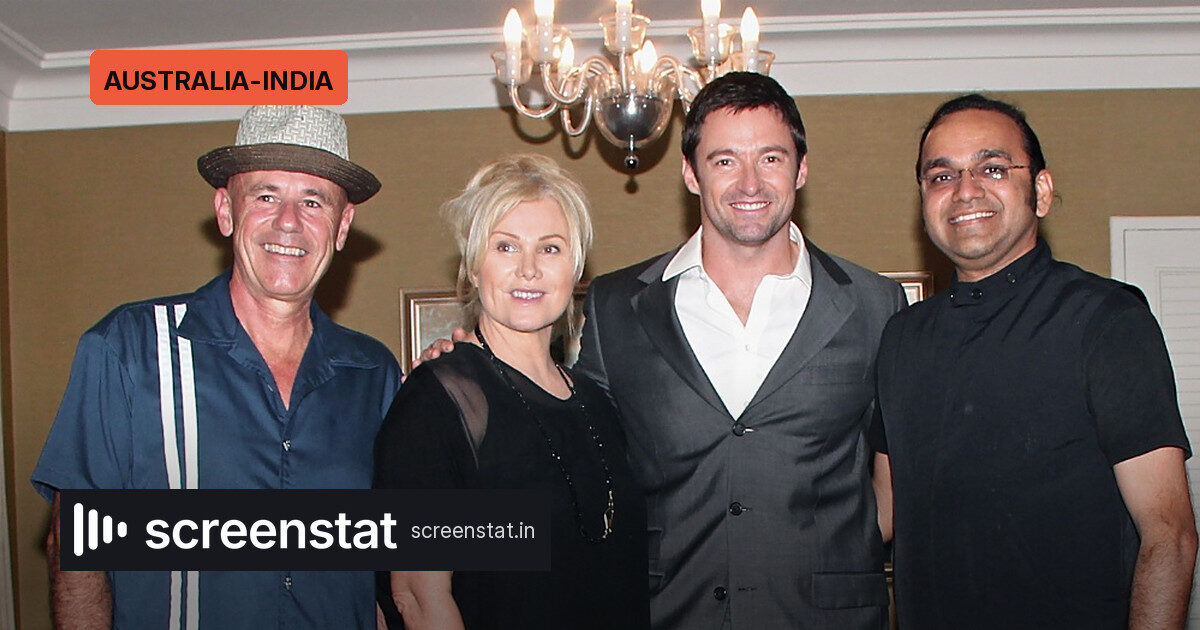
AFFI first appeared in Mumbai in 2011 with support from Hugh Jackman, and later editions drew backing from Baz Luhrmann and Phillip Noyce. Festival director Peter Castaldi now oversees the relaunch, with an advisory council that includes producer Lori Fesker, actor-producer Viveck Vaswani, and Indian Australian cultural leaders Vinod Daniel OAM and Sonia Gandhi. Disney Studios, Ausfilm, the City of Perth and the University of NSW are among the institutions supporting the festival.
What the bootcamp is selling
The Australian Cinema Bootcamp will run full-day sessions in Bengaluru, Hyderabad and Trivandrum, with more cities to be added. The invited audience is deliberately wide: producers, directors, investors, distributors, students, and VFX and post-production houses.
The curriculum reads like a financing and production-access roadshow. Sessions cover co-producing under the new treaty, putting money into Australian films and India-focused Australian projects, government and state incentives, cross-border distribution, and access to Australian VFX, post-production, locations and specialist crews.
- The headline number: Australia’s Producer Offset refunds 40% of qualifying local spend on eligible feature films.
- Stacked incentives: states add their own grants and attraction funds, which can reduce investor capital at risk further.
- Market access: cross-border distribution sessions link the bootcamp to a larger release strategy, not just production.
Why the timing matters
The sessions land just as the co-production treaty takes effect. That gives them a deal-focused purpose instead of a soft cultural corridor. For production houses, Australia becomes a financing counterpart as much as a location: the offset lowers the net cost of eligible work, and state funds can close remaining gaps. For distributors and platforms, the same rooms are an early look at projects designed for two markets from day one.
Screen Australia COO Grainne Brunsdon said the moment offers ‘new pathways for stories that celebrate the richness and diversity of our shared cultural connections.’ Ausfilm CEO Kate Marks added that the festival and Screen Australia’s delegation to Goa were ‘a great way to build connections and open the door to more collaboration.’
The strategic read
Anupam Sharma, AFFI’s founding creative director, framed the pitch around reach and risk. India, he said, has global storytelling strength; Australia offers scale, crews, post and government support that reduces financial exposure. ‘We want to see Indian money, Indian stories and Australian know-how in the same film, on screens around the world,’ he said.
The festival’s screening lineup sharpens the point. It includes ‘First Light,’ Australia’s official submission for the international feature Oscar; ‘Brand Bollywood Downunder’ from Sharma; and ‘UnIndian,’ starring Brett Lee. The International Film Festival of Kerala will present a curated Australian slate and a panel, while Shanmugam and AVM Studios will host the Chennai leg.
For media planners and entertainment marketers, the takeaway is simpler: watch for Indian-Australian titles that can be positioned as cross-border events, not niche festival fare. The financing tools are now in place; the next signal is which projects actually use them.