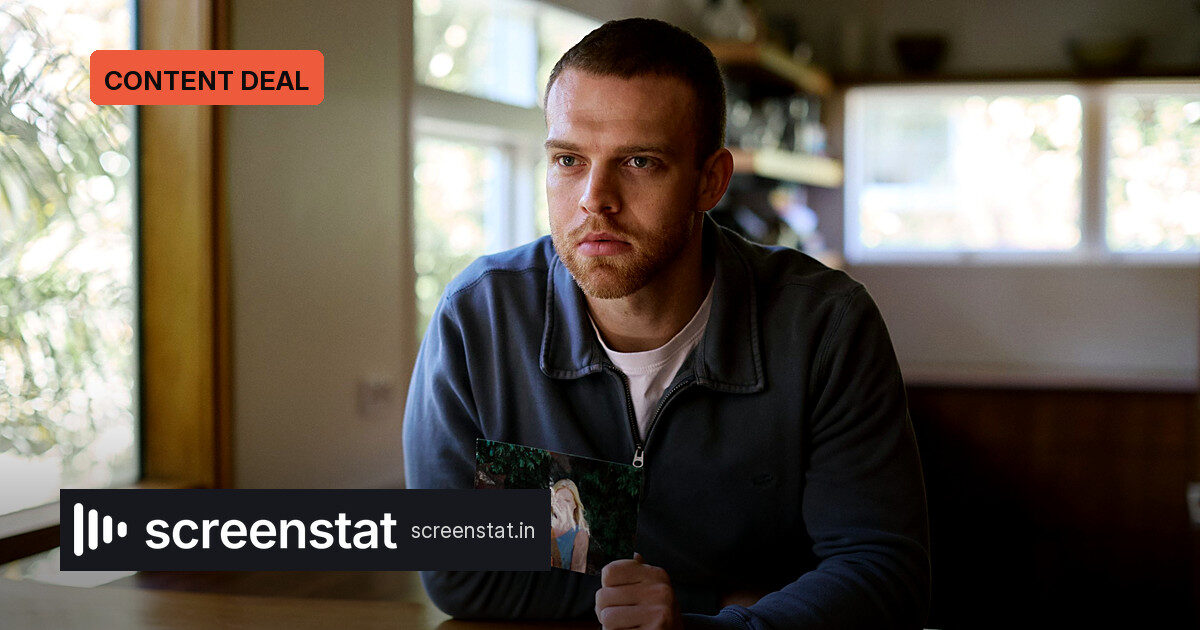
Sky New Zealand has ordered I Will Find You: The Search For Alysha Hanin, a three-part true-crime series built around a 2002 disappearance that became a live investigation while filming was underway.
The project comes from New Zealand producer Our Story and UK-based Woodcut International. Woodcut has taken international distribution rights. Production is currently underway, with a Q2 2027 launch planned; New Zealand On Air is supporting the commission.
A case that changes on camera
The series follows Adrian Hanin, now 27, as he goes back to the disappearance of his mother, Alysha Hanin. In 2002, the 24-year-old walked out of Miami Beach’s Shore Club hotel and vanished. Her luggage, ID and bank cards stayed behind; there were no confirmed sightings and no body.
Adrian was three when his mother disappeared and grew up in New Zealand with the case unresolved. The production films him rebuilding the case from the ground up: opening long-preserved files, finding witnesses, testing old accounts and assembling an investigative dossier. Then, while cameras were in Miami, the Miami Beach Police began actively reinvestigating the disappearance as a homicide.
Access as the sales hook
Jane Robertson and Jeremy Hall, co-founders at Our Story, said the project was filmed from a different position than most true-crime titles. “Most true-crime documentaries arrive after the critical events have happened,” they said. “We were there before anyone knew what was going to happen.”
That claim matters commercially. True crime is a heavily supplied genre, and many projects rely on archival material and closed files. This series is selling something closer to actuality: a family search turning into an active homicide inquiry in view of the cameras.
Koulla Anastasi, managing director at Woodcut International, said the lack of closure is central to the international pitch. “The story is still unfolding,” she said, adding that viewers without closure on a loved one will recognise the search at the centre of the series.
Why the structure is built to travel
- International sales rights are attached at greenlight rather than after a local run.
- The access story gives buyers a clear point of difference against archive-heavy true crime.
- The live homicide reinvestigation offers marketing a moving hook: the case can change while the audience watches.
What buyers should track
For platform teams and acquisitions executives, this commission tests whether an open case with strong access can command attention against closed cases with stronger title recognition. The series does not arrive with a famous crime brand; it arrives with a structural advantage: no one knows the ending.
That has implications for how it is pitched and scheduled. A marketing campaign can lead with the moment the case changed status, rather than the archive. For producers, the takeaway is to attach international sales and define the access before the first rough cut exists.
The Q2 2027 launch window gives the international market time to see how much of the investigation the edit can actually deliver. The real question is not whether the crime is well known, but whether buyers will pay for the risk of an unresolved story.