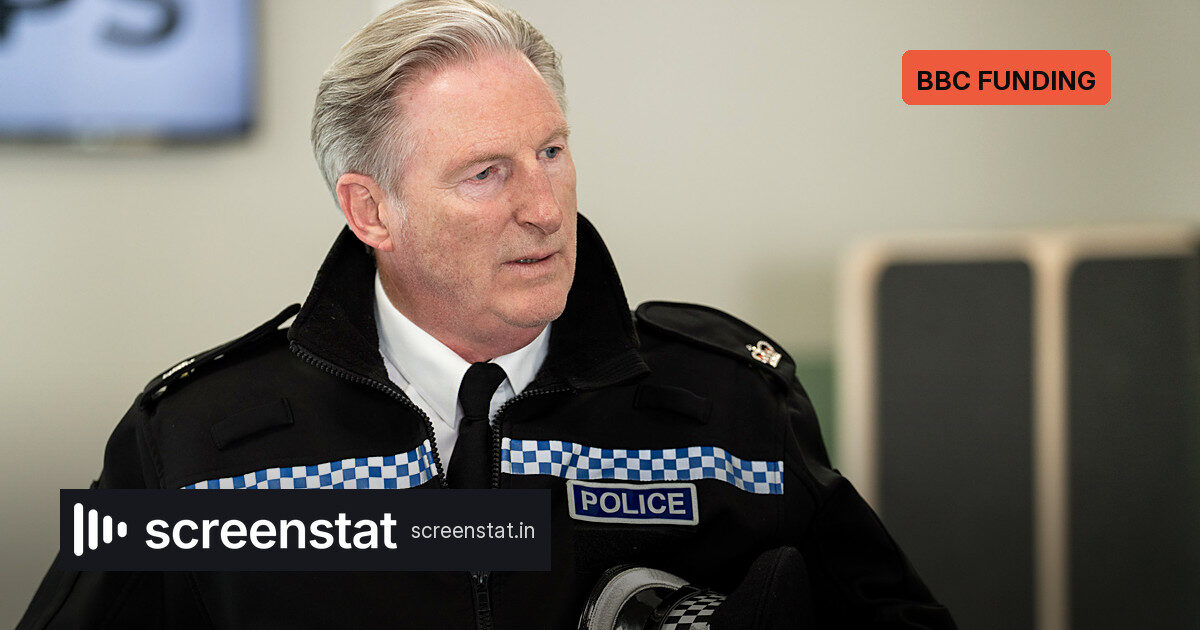
The BBC’s plan to extend the £180 licence fee to streaming-only households could add £1.6B to its funding by 2032, according to new Ampere Analysis modelling. That number is the best-case scenario: it assumes the corporation captures close to 99% of UK homes that use on-demand or streaming services each month, and that enforcement is perfect.
The base case is far less comfortable. If evasion rates stay roughly where they are today, the “Netflix tax” raises about £1B rather than £1.6B. BBC Director General Matt Brittin has already called enforcement “difficult.”
What the scenarios show
The proposal would require people who watch streamers’ non-live content to pay the licence fee even if they never open a BBC service. The gap it is meant to close is real: the BBC says 94% of UK households use its services, but only 80% pay the fee. Licence-fee-paying households fell by 500,000 last year to around 23.3M, even as income edged up to £3.9B because the fee rose with inflation.
- Best case: £1.6B extra by 2032, with near-universal 99% reach and perfect enforcement.
- Base case: £1B extra if current evasion rates persist.
- Pricing signal: if the £1.6B case lands, the fee could fall to £150 by 2028 instead of rising with inflation.
- Current path: revenue is forecast to slip from about £3.9B in 2026 to £3.8B by 2032.
The BBC says licence fee income fell 24% in real terms between 2017 and 2025. A flat-to-declining top line while costs rise explains why streaming-only households are now central to charter renewal talks.
Why media planners should use the base case
For UK media budgets, this is not just a BBC funding story. If the policy passes, streaming-heavy homes would face a new recurring cost on top of SVOD stacks, which could reshape how households value ad-free and ad-supported tiers. Planners should model the £1B base case, not the £1.6B best case.
There is also a pricing signal. A successful tax could let the BBC cut the fee to £150 by 2028, softening the consumer impact and changing the comparison against paid streaming subscriptions. The earlier idea of charging YouTube viewers who do not use the BBC now looks unlikely, so the debate is concentrated on on-demand and streaming services.
The next trigger is a White Paper
The BBC is waiting for the government’s White Paper on future funding, expected before the end of the year. Deputy Director General Rhodri Talfan Davies put the timeline plainly at a conference:
“All I want for Christmas is a White Paper.”
The funding debate lands while the BBC is cutting an additional £500M and planning around 2,000 layoffs. The next phase of savings is set to emerge early next year, making the White Paper a policy moment and a budget planning signal for anyone buying from, selling into, or competing with the BBC.