The deal
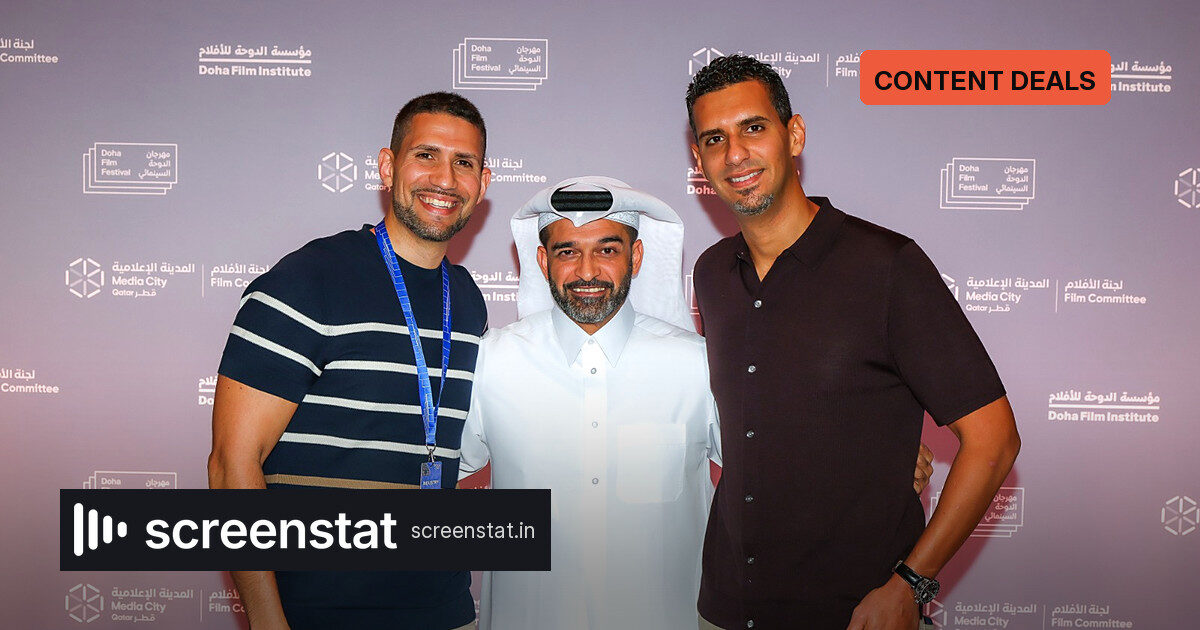
Watermelon Pictures and the Film Committee at Media City Qatar have announced a planned partnership to develop and co-produce a slate of films built around stories from the Global South. Projects would be shot substantially in Qatar or structured as Qatari co-productions, engage Doha-based post-production companies and be put forward for the Qatar Screen Production Incentive where eligible.
Watermelon was founded in Chicago in 2024 by Badie Ali and Hamza Ali with a mission to amplify Palestinian and other under-represented voices. The company has so far made its name in distribution, handling titles such as The Voice of Hind Rajab, El Sett, Who Killed Alex Odeh? and American Doctor.
What each side gets
The arrangement combines Qatar’s production infrastructure and incentive support with Watermelon’s talent access, distribution network and understanding of audience demand. It is a classic co-production trade: one partner brings money and facilities, the other brings relationships and market instinct.
For Watermelon, the move is a deliberate push from indie distribution into larger-scale, mainstream production. For Qatar, a slate of co-productions creates work for local crews and post-production businesses and gives them experience they can carry into the next project.
Badie Ali called the partnership “a major step toward realizing that promise” of telling powerful stories authentically at scale. Hamza Ali added that Arab and Muslim perspectives remain under-represented in mainstream cinema, and that the slate would span genres and “compete at its highest level.”
What the structure means
The arrangement is not final yet: it is subject to definitive agreements and approvals, with projects considered individually. That caveat matters for buyers and production partners who may want to move early but should treat the slate as pipeline rather than committed spend.
Qatar’s production incentive is the most concrete commercial hook in the announcement. When projects qualify, rebates or credits can reduce the net cost of shooting and post, changing financing assumptions for producers and making risk easier to underwrite.
What to watch next
- The first projects named: the genre mix will signal how mainstream Watermelon intends to go.
- Which titles qualify for the Qatar Screen Production Incentive: incentives will show how much of the budget stays in Qatar.
- Distribution routes: whether Watermelon sells global rights itself, pre-sells territories, or partners with streamers and studios.
- Final agreements: the initial announcement is only as real as the executed deals behind it.
Bottom line
The partnership is another signal that Global South storytelling is becoming a structured business rather than a festival niche. For producers, co-production and soft-money incentives can turn a risky story into a more bankable slate. For buyers, the first titles will reveal whether the ambition to compete at the highest level shows up in commercial packaging.
The announcement came during Doha Industry Days, which ran from November 19 to 21 within the Doha Film Festival. More details on specific projects are expected to be announced soon.