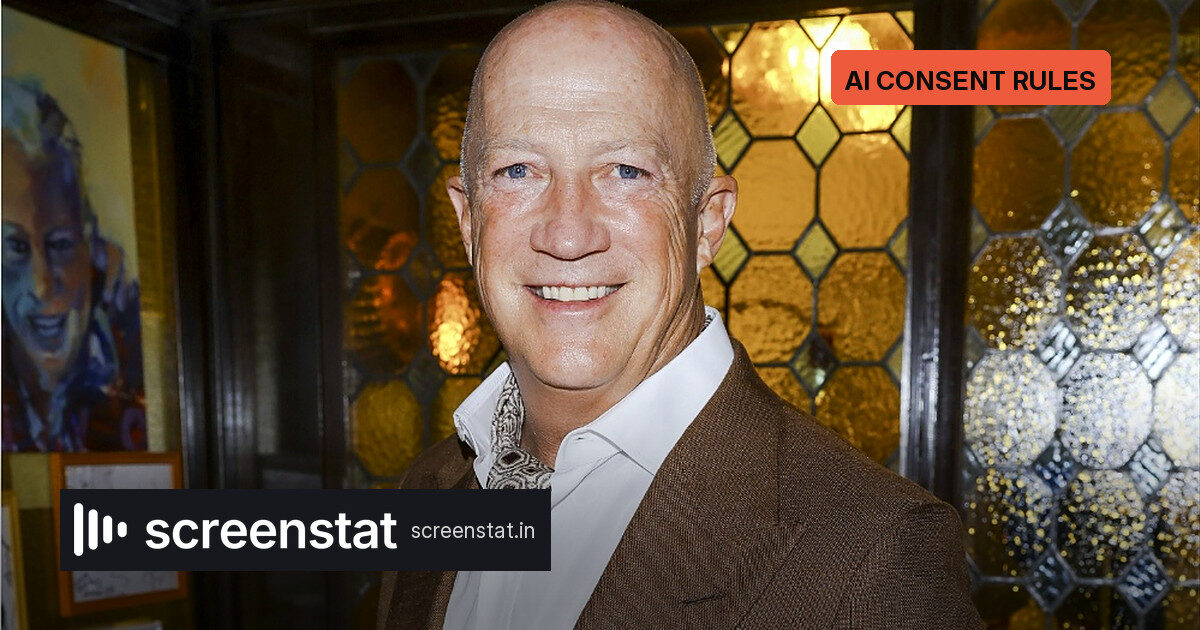
The talent business wants a federal line on AI deepfakes before the year ends. CAA CEO Bryan Lourd used a New York Times Opinion essay Saturday to urge Congress to pass the NO FAKES Act, arguing that “every one of us should have the right to say no to an unwelcome use of our likeness.”
The bill, introduced by Sen. Chris Coons (D-ME) in May and advanced out of the Senate Judiciary Committee in June, has bipartisan co-sponsors but hasn’t reached the full Senate. Lourd said it would set a national standard for “control, consent and compensation” around deepfakes, replacing state laws that were largely written for an analog world.
Why a talent agency is drawing the line
Lourd framed the issue as a business reality, not just a policy debate. CAA’s work now includes negotiating AI licensing deals for clients. “We regularly negotiate those deals,” he wrote, and the current patchwork of state rules doesn’t fit a market where digital likenesses can be copied instantly.
The missing part, he argued, is a bright-line consent rule. Without one, an actor or singer can discover that a brand, creator or platform has used their image without permission—and legal recourse depends heavily on which state they live in.
Who is backing the bill
- SAG-AFTRA and the Motion Picture Association
- Recording Industry Association of America and Recording Academy
- OpenAI, YouTube and IBM
- National Association of Broadcasters and AFL-CIO
The dental-ad test
The practical stakes are easy to see with Tom Hanks. In 2023, Hanks warned followers about a dental office using an AI deepfake of a younger version of him in an advertisement. Lourd wrote that Hanks likely wouldn’t have agreed to the dental ad, but he should have had a choice before it ran.
For marketers, that example matters. A deepfake of a celebrity in an ad doesn’t just invite legal exposure; it creates a trust problem with consumers. A federal consent rule would clarify what an advertiser must clear before producing AI-generated talent.
What it means for content buyers and platforms
The bill would create a national baseline for how platforms, agencies and advertisers handle AI likeness permissions. If it passes, a media buyer commissioning an AI celebrity spot would need clear, documented consent—or face liability under federal law, not just uneven state statutes.
It also affects creator-economy deals and ad-supported streaming. Having platforms such as YouTube and OpenAI among the bill’s backers suggests the industry wants licensing, not litigation, to become the default mechanism for AI likenesses. CAA has also worked with the Human Consent Foundation and joined an amicus brief in the New York Times lawsuit against OpenAI, pointing to the active licensing market that has developed in the AI era.
Lourd’s deadline is explicit: Congress can supply the bright-line rule before the year is out. For brands, the sensible move is to start treating AI likeness consent the way they already treat music or image rights.