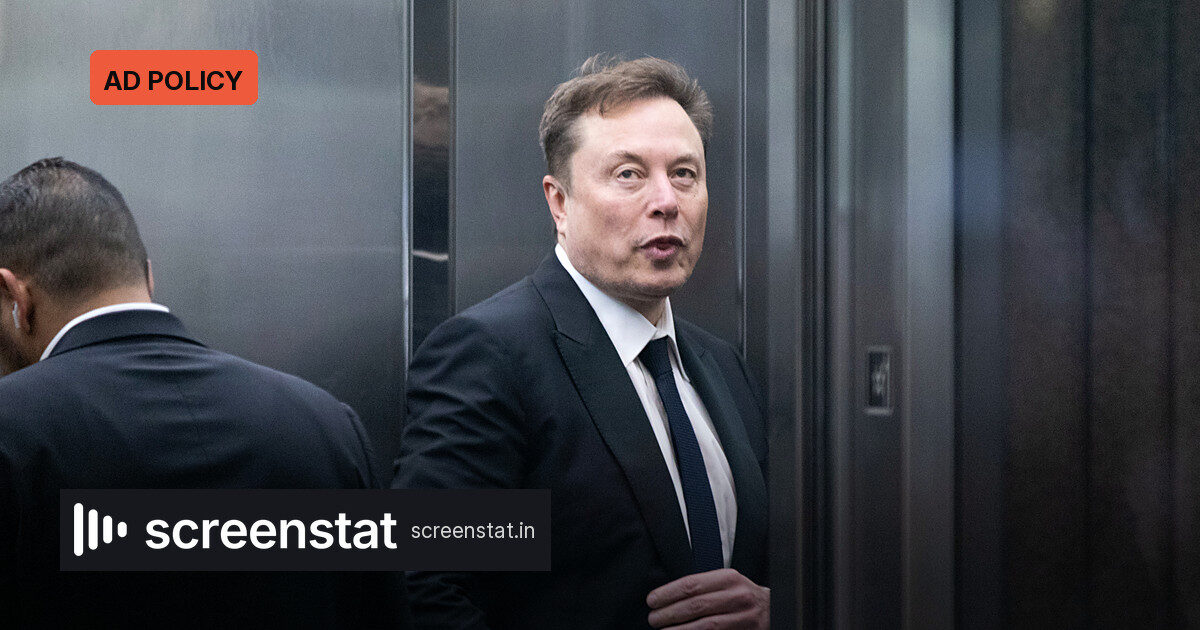
YouTube and Meta have reversed earlier decisions and will allow Bleecker Street to run paid promotion for the trailer of Alex Gibney’s Musk, after the rejections raised questions about whether a critical documentary about a platform owner was being quietly suppressed.
What changed
A YouTube spokesperson said the trailer “was temporarily restricted by our system. Following review, the ad has been cleared to run.” YouTube also posted the statement on social media. Bleecker Street had been appealing the ruling and had not yet been formally notified as of late Saturday morning.
Meta went further in its reversal: a spokesperson said rejecting the ad “was an error and we’re restoring the ads.” That is notable because Meta had previously turned down an appeal, leaving the studio with few paid options on Instagram and Facebook.
The moderation trigger
The trailer, released Thursday ahead of the film’s Oct. 9 theatrical release, includes a shot of Musk at a 2024 Donald Trump campaign rally. That clip appears to be the formal reason the platforms applied a political-ad restriction, even though the video is not a campaign ad in any conventional sense.
TikTok and X have not changed course. Both declined to run the paid trailer and remained quiet after the YouTube and Meta reversals.
Why this matters for release marketers
Paid social is a core discovery channel for documentary releases. When a trailer is blocked, the campaign loses reach precisely when awareness needs to build. For a film that scrutinizes Musk’s control of X, his role in Washington with DOGE, and his growing electoral influence, any ad restriction is bound to read as more than a routine policy call.
- Political adjacency can mis-trigger ad policy even when the creative is not a campaign ad.
- Platform decisions are not final if the studio has the evidence and escalation path.
- Not all platforms move together: YouTube and Meta reversed, TikTok and X did not.
Practical playbook
For media planners working on public-figure or political documentaries, the sequence offers a usable template. Log the rejection with the platform’s stated policy, request the precise clause, appeal in writing, and keep the release timeline visible. Where possible, do not concentrate all paid trailer budget on a single platform; hold creative and spend ready for the platforms that clear.
The key question is whether a documentary trailer about a political figure should default into a political-ad bucket at all, or whether platforms need a faster human-review lane for trailers from established distributors. The cost of getting it wrong is not just a delayed media plan; it is an audience that never hears the film exists.
Source: The Hollywood Reporter