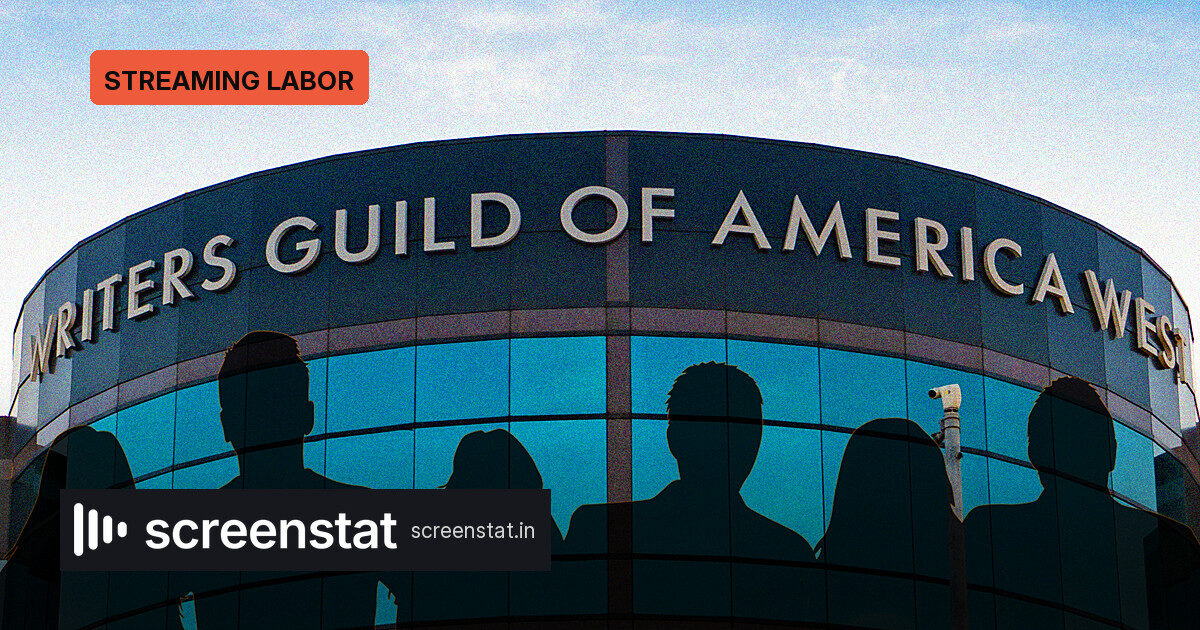
Microdrama just gained a notable union foothold. DramaWave, a top platform in the short-form drama space, has recognized the Writers Guild of America West as the collective bargaining representative for its 27 staff writers after a card-check process.
WGAW announced the win Monday. The writers began organizing over the summer and delivered a letter to DramaWave on October 28 asking the company to recognize the guild. DramaWave agreed to voluntary recognition once the card check confirmed majority support. Bargaining dates for a first contract have not been scheduled.
What the first contract will cover
The negotiation is expected to address compensation and benefits, job security, a fair crediting system, and guardrails on AI use in writing. That list is familiar from streaming-era guild fights, but it is new territory for the microdrama format.
Senior Writer and DramaWave Organizing Committee member Peter Forbes framed the move as a chance for the writers to have “a voice on the job.” He also said the company “did the right thing by quickly recognizing the union” and that the team looks forward to negotiating a fair contract.
Why it matters for platforms and buyers
Microdrama’s appeal has been speed and volume: short, fast-turnaround stories built for mobile audiences. A union contract adds a more formal cost floor—minimum pay, benefits, credit standards and AI restrictions. For ad-supported and subscription platforms, that changes the unit economics and the creative rules around a growing inventory source.
WGAW President Michele Mulroney called it critical that these writing jobs be union jobs. The recognition matters beyond a single app: if DramaWave is a top microdrama platform, its labor model can become the reference point for others.
The card-check signal
DramaWave chose voluntary recognition over a contested union election. A card check lets an employer accept signed cards as proof of majority support. It is faster and less public than a ballot fight. In this case, it moves the story from representation to bargaining terms.
- 27 writers are in the DramaWave unit.
- October 28 was the recognition demand; the WGAW announced the result Monday.
- No bargaining dates have been set for the first contract.
- Key issues include pay, benefits, job security, credits and AI guardrails.
What to watch next
The first contract is the real milestone. The speed of recognition does not guarantee a quick deal. AI language and crediting terms will show whether DramaWave can set a workable template for the wider microdrama economy. For buyers and planners, the signal is to start modeling talent costs and rights language as variables in short-form drama supply.
Source: Deadline