
Global demand for Spanish and Portuguese-language series has climbed 25% over the past two years, and the map of that growth has shifted. Instead of being driven by neighboring markets or traditional diaspora audiences, the new momentum is coming from Asia, Europe and the Middle East, according to data reported by TheWrap.
Asia and Turkey are leading the shift
Between 2024 and September 2026, the sharpest demand increases came from East Asia. South Korea led with a 243% rise, followed by Japan at 148% and China at 119%. Turkish audiences, long accustomed to exporting their own dramas to Latin America, more than doubled their appetite for Spanish and Portuguese series over the same period. Nordic countries also posted consistent gains.
- South Korea: +243% demand
- Japan: +148% demand
- China: +119% demand
- Turkey: more than doubled
Four-quadrant appeal is the travel engine
The pattern is not accidental. Many export hits have clear demographic skews: anime leans toward young male viewers, while K-dramas tilt toward younger women. Spanish and Portuguese series, by contrast, sit near the center of the demographic spectrum, balancing male and female viewers and age groups. That four-quadrant versatility lowers cultural friction for buyers and audiences in very different markets.
For streaming teams, this changes how a title should be positioned. A Spanish-language literary adaptation can be sold the way a broad procedural would be, across gender and age targets, rather than confined to a language-specific audience segment.
Literary IP is converting attention into subscribers
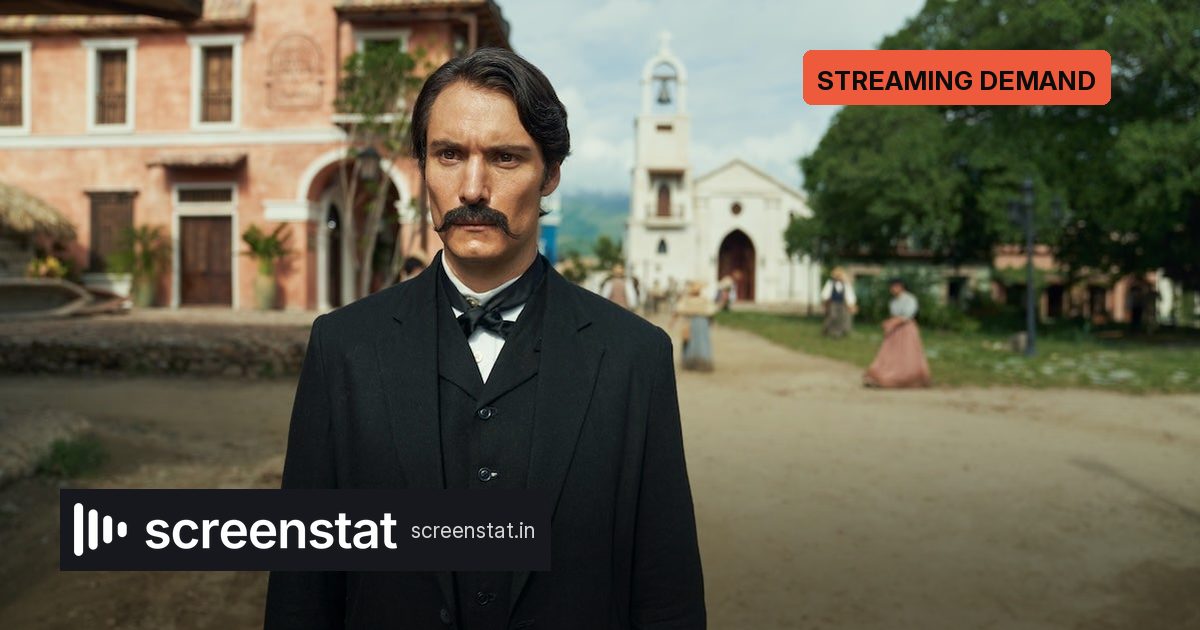
Leveraging existing intellectual property is one way titles cut through a crowded global slate. This year, Spanish and Portuguese literary adaptations have generated three times higher global demand than non-IP originals. High-profile examples include Netflix’s adaptation of Gabriel García Márquez’s 100 Years of Solitude and the Argentine sci-fi classic The Eternaut, adapted from a comic.
The Eternaut makes the business case. Streaming Economics modeling cited by TheWrap estimates the title drove more than 230,000 new Netflix subscriber sign-ups globally since its premiere, making it the most impactful Spanish-language title for the platform in driving subscriber acquisitions during that window.
What streamers should watch next
For media planners and entertainment marketers, the signal is to stop treating Spanish and Portuguese content as a regional niche. The demand data suggests these titles can serve as global acquisition tools when paired with recognizable IP and a balanced audience profile. As platforms push for content efficiency and subscriber ROI, Spanish- and Portuguese-language titles are becoming a measurable case for global rights investment, not just local programming. For ad-supported platforms, this same breadth may appeal to brand advertisers looking for co-viewing and hard-to-reach demographics, not only language segments. The next test is whether platforms convert this demand into consistent local marketing investment outside Latin America.
Source: TheWrap