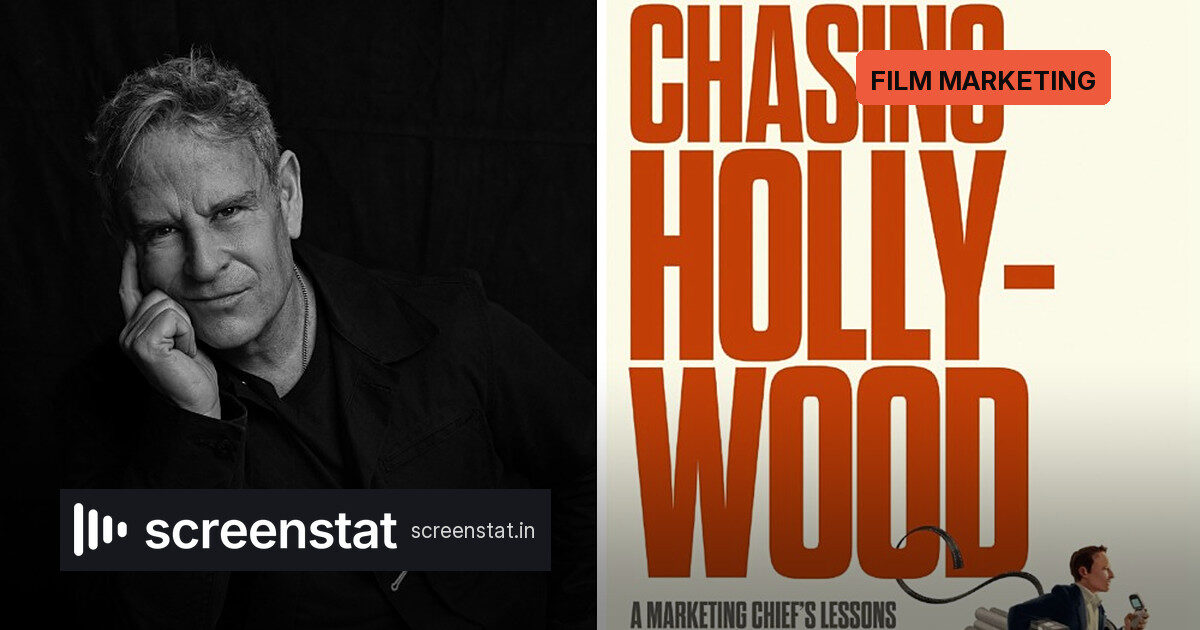
Movie marketing veteran Gerry Rich has led campaigns at Paramount, Columbia Pictures, MGM, Miramax and Amazon MGM Studios. On Variety’s “Strictly Business” podcast, tied to his memoir Chasing Hollywood: A Marketing Chief’s Lessons on Breaking Through, he looks back at the 2008 launch that helped start the Marvel Cinematic Universe.
Why Iron Man had to prove itself
Rich says Iron Man had far less built-in awareness than Spider-Man or X-Men. There were also questions about whether Robert Downey Jr. could carry the role and whether director Jon Favreau could deliver the necessary scale. The dailies convinced the marketing team that something unusual was happening, but they kept that conviction internal.
The Comic-Con scarcity bet
The team decided to hold back all assets until Comic-Con 2007, well before release. Favreau came out to “thunderous applause,” Rich recalls, and filmed the crowd on his iPhone. After the teaser and footage played, he says, fans became “major champions of the film.” It turned the most invested audience into an unpaid amplification channel.
For entertainment marketers, the playbook remains useful:
- Hold a hero asset for one high-attention moment.
- Test material with the most invested fans first.
- Let those fans carry the campaign before the broader push.
The framework is simple: in a fragmented media environment, a concentrated fan moment can create the signals that later persuade casual viewers. For planners, that means treating Comic-Con-style events, fan screenings and creator previews as media buys in themselves—not just publicity.
Live sports is the remaining mass moment
Rich argues that the old model of reaching a broad audience through linear TV has weakened. The reliable exception, he says, is live sports. “The only thing that really gets a significant audience is would be live sports, particularly football,” Rich says.
For media planners, this is a pricing and planning signal. If live sports is the only true broad-reach vehicle left, its inventory carries outsized strategic value for entertainment launches, and campaigns should lock those placements early and build the rest of the plan around them.
Rich’s wider point is about discipline: targeting tools and AI may change how audiences are found, but they do not replace the human judgment of when to hold, when to release, and who gets the first look. The memoir’s title frames that tension.
Source: Variety