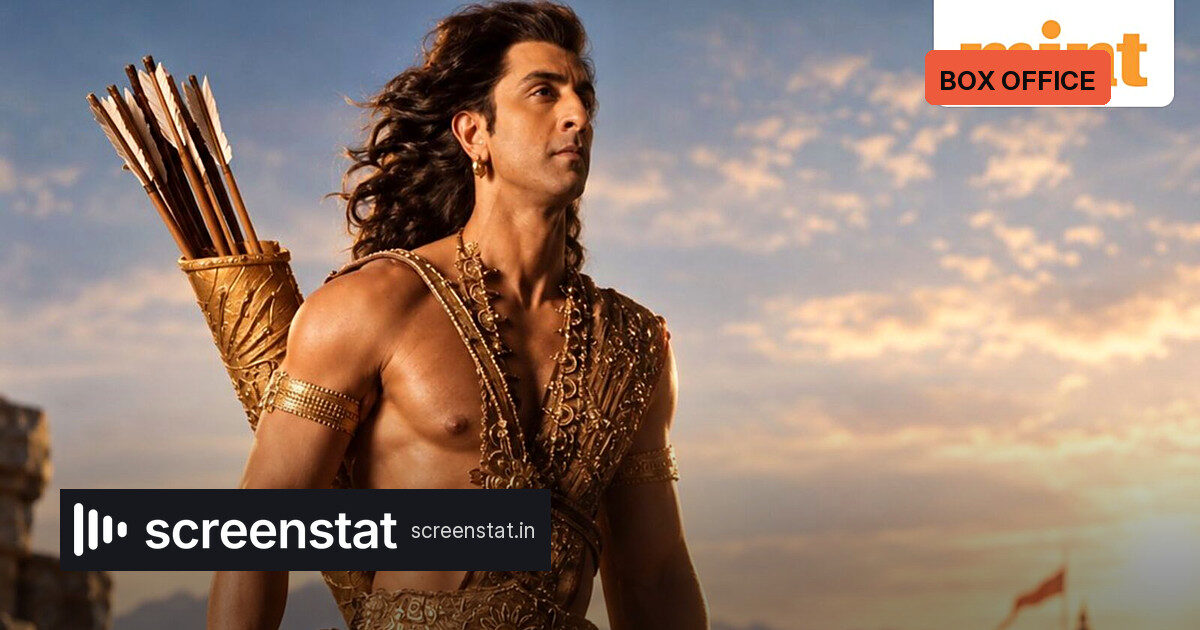
Ramayana Part 1 opened worldwide on Nov. 5, but its marketing shelf life began much earlier. The first film in Nitesh Tiwari’s two-part adaptation stars Ranbir Kapoor as Rama, Sai Pallavi as Sita and Yash as Ravana, and it pairs A.R. Rahman with Hans Zimmer on an Indian film for the first time.
T-Series controls the album; Amazon Music is the streaming partner. Producer Namit Malhotra, whose Prime Focus Studios produces with Yash’s Monster Mind Creations, says music was the plan from day one.
When I thought about who could bring that vision to life, it was A.R. Rahman and Hans Zimmer. There was no plan B.
That ambition is being treated like a slate, not a soundtrack drop. The first single, Jai Jai Ram, went out on Sept. 14 to coincide with Ganesh Chaturthi. On Oct. 21, Amazon Music hosted a Chennai Trade Centre celebration where Rahman performed songs live alongside Kapoor, Pallavi and Yash. The platform has also built a dedicated album destination, four character playlists and a short-form series called Decoding Ramayana with A.R. Rahman.
Why Amazon Music is spending on film albums
For Amazon Music, the stakes are not a single title. Indian-language music accounts for around 70% of what its customers in India stream. That makes a big film album a retention and discovery tool, not just a catalogue addition. Gupta says the streamer has spent more than two years building standalone launches for major film albums.
- Dhurandhar brought Hanumankind, Madhubanti Bagchi and Jasmine Sandlas together on one Mumbai stage.
- Border 2 was launched at the INS Kadamba naval base in Karwar.
- Similar events followed for Param Sundari and Tere Ishk Mein.
Amazon Music is becoming the destination where India’s biggest film albums break, says Rishabh Gupta, general manager of Amazon Music India.
Music as the first trailer
Gupta’s operating idea is that the music is the film’s first trailer, and a song people love is the best invitation to the theater. That changes the release logic: instead of dropping an album close to opening day, tracks get individual windows built around festivals and live moments, and every song goes live simultaneously across Amazon Music’s 50-plus country footprint.
Tiwari says music placement still follows the scene: powerful expression in some moments, restraint or silence in others. The director works with producers and marketing teams to decide what a song reveals and what stays reserved for cinemas.
Measure the second week, not the launch
Amazon Music says it evaluates a partnership by engagement over time rather than launch week. The real success test is whether songs are still being played after the film leaves theaters, at festivals, in family routines, or as an entry point into Indian music worldwide.
For entertainment marketers, the takeaway is data-led patience: a soundtrack is a pre-release behavioural dataset. Each track’s retention shows which characters and moods are pulling audiences, long before box office or ticketing data hardens.
Malhotra is explicit about the bridge to Part 2: a theme or a few notes should carry viewers straight back to a character, a feeling or a moment, so the second film becomes a return rather than a cold start.
Source: Variety