A bipartisan group of US lawmakers has introduced legislation that would create the country’s first federal film and television production incentive, a move that could change how studios, streamers and producers plan location budgets.
What the bill contains
The Motion Picture, Television, and Entertainment Revitalization Act proposes a 20% credit on US labour, with add-ons that can lift the figure to 30%. To qualify, a project would need a budget above US$1m and would have to complete 75% of production in the US.
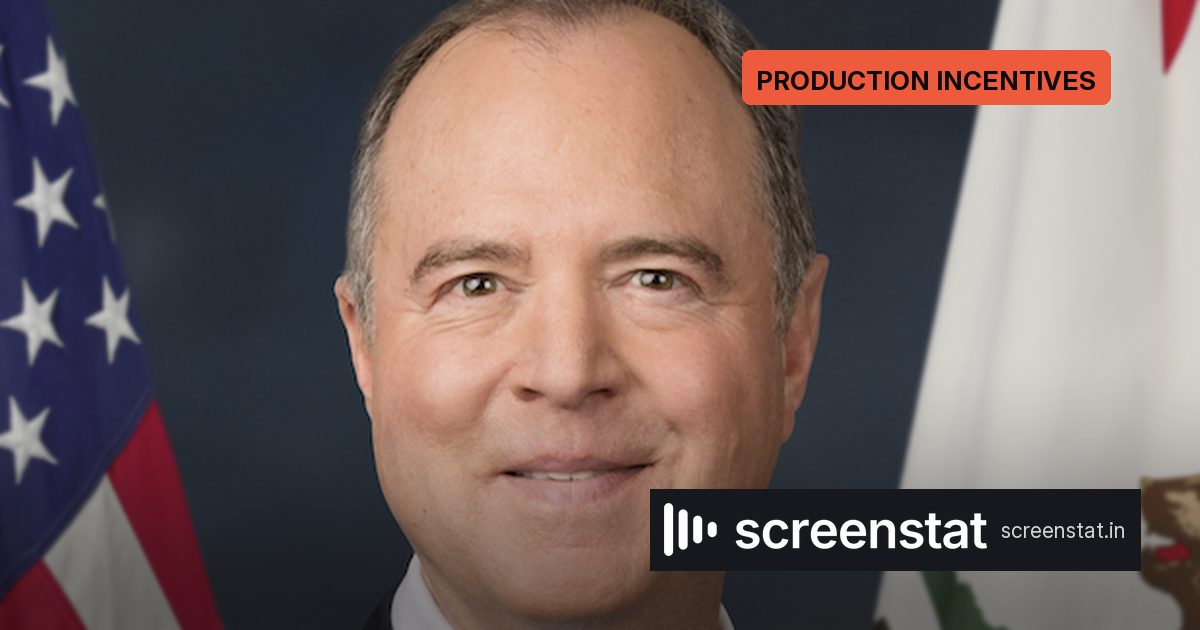
Senators Tim Scott, Adam Schiff, John Cornyn and Raphael Warnock introduced the measure in the Senate, while representatives Nathaniel Moran and Linda Sánchez carried it in the House. Senator Adam Schiff, a California Democrat, said “we have the best opportunity in decades to get it done.”
Why this shifts the production map
The federal push comes less than a month after President Donald Trump endorsed a production incentive, and follows 18 months of behind-the-scenes work by Jon Voight, Trump’s special ambassador to Hollywood. Major US studios, streamers and state-level industry groups have lobbied for the nationwide incentive.
For media planners and marketers, the bill matters because it creates a new national layer on top of state-level incentives. A 20–30% federal credit, layered with local support, changes the arithmetic for whether a show shoots in Atlanta, Toronto, London or Mumbai. Buyers and producers should start modelling hybrid scenarios before the bill passes, not after.
- 20% base credit on US labour, with add-ons up to 30%.
- US$1m minimum budget and 75% domestic production test.
- Bipartisan support in both chambers, with a presidential endorsement behind it.
The economic case
Shortly after Trump’s endorsement, the Motion Picture Association released an Olsberg SPI study projecting that American production spending could more than double to US$38bn by 2035 with a federal incentive, while staying flat without one. MPA also estimates the legislation could add US$250bn to the US economy and create as many as 145,000 new jobs a year. MPA chairman and CEO Charles Rivkin called the credit a “true gamechanger for American creators, workers, and businesses.”
The political narrative has also changed. Where a federal credit was once seen as subsidising Hollywood elites, the current argument is built around working-class crew jobs and production infrastructure across US states. That framing is why Republicans and Democrats are co-sponsoring the same bill.
What to watch next
This is still proposed law, not passed law. The bill must move through committee, floor votes and reconciliation. But for teams that allocate production budgets, the direction is clear enough to start scenario planning now. The 75% domestic threshold, the US$1m floor and the 30% ceiling are the three numbers to build into location models.
If the credit passes, it will not simply favour Los Angeles. The design is intended to spread production work broadly, which may open new regional production hubs and reshape where below-the-line talent is hired.
Source: C21media