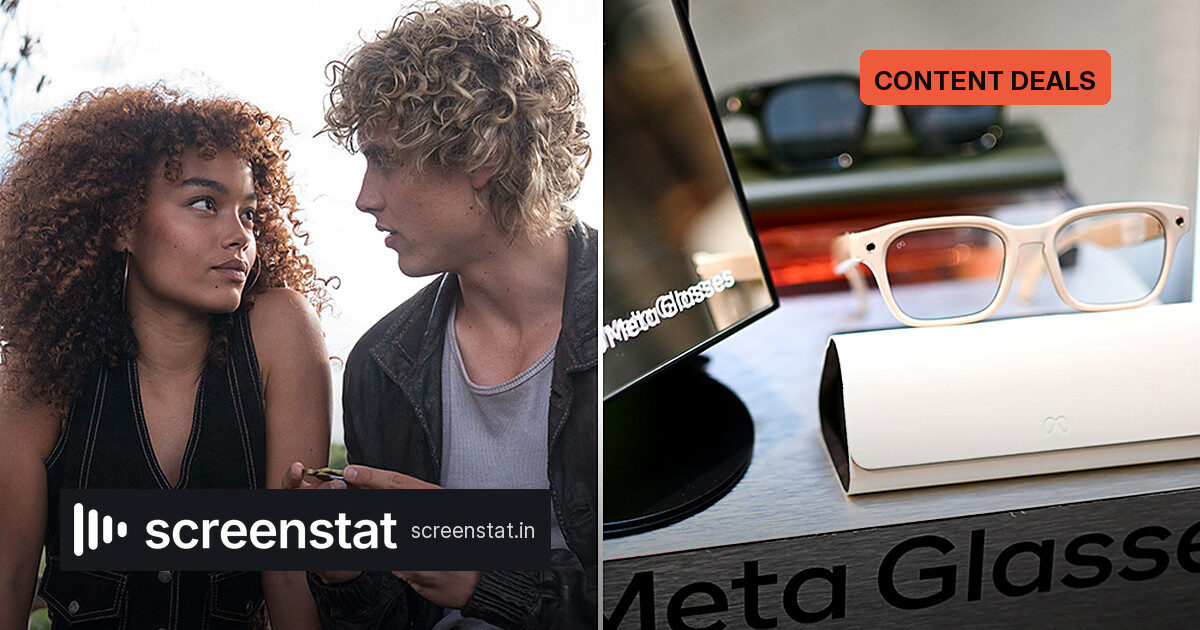
The Hunger Games: Sunrise on the Reaping is getting a second screen. Lionsgate and Meta are converting the Francis Lawrence-directed prequel to 3D, and after its theatrical run the film will play in 3D on Meta VR Glasses. It is the first time Meta has partnered with a Hollywood studio to convert a movie into 3D.
Before the VR window arrives, the 3D conversion gives exhibitors a premium format for the film’s opening. That can matter for per-screen averages: 3D showtimes often carry a higher ticket price, which may lift the opening gross even if attendance is unchanged.
The numbers behind the partnership
- Theatrical: Opens in North America on Nov. 20, with an expected $60M-$70M debut.
- VR window: The film reaches Meta VR Glasses in spring 2027, after the cinema run.
- Franchise: The Hunger Games films have grossed over $3.3 billion at the global box office across five features.
- Hardware: Meta’s glasses carry a 5K Infinite Display, Dolby Vision, Dolby Atmos spatial audio and Imax Enhanced, and weigh about 100 grams.
Why this matters for windowing
This is not a day-and-date streaming release. Meta’s VR window is deliberately placed after the theatrical exclusive, which suggests Lionsgate is treating the glasses as a premium second leg rather than a replacement for cinemas. For entertainment marketers, that positioning matters: a franchise with $3.3 billion in box office can test whether a device-based post-theatrical window adds meaningful revenue without training audiences to wait.
For Meta, the logic is hardware adoption. A major franchise film gives the glasses a showcase for the 5K display, spatial audio and Imax Enhanced, which is more compelling than a tech demo alone.
The 3D work was completed with DNEG, the visual effects and animation studio. More Lionsgate titles for the glasses will be announced later, which would turn this from a one-off experiment into the start of a content slate.
Lionsgate’s broader tech bets
Lionsgate has not been shy about working with platform partners. It has an existing relationship with AI research company Runway, including an equity stake, and plans to develop AI-generated short-form series from its library. Meta is also pushing its own AI agenda, and its Meta Image AI feature drew pushback from Hollywood earlier this year.
This Hunger Games deal is not an AI licensing arrangement. But it puts the studio in business with a tech company that is making aggressive moves in AI, and it extends Lionsgate’s pattern of experimenting with new distribution surfaces before the market has fully proven them.
What to watch next
The immediate box office test is the Nov. 20 opening. The larger strategic test arrives in spring 2027, when the VR window shows whether a premium device release can behave like an event after the theatrical run. If it works, expect more franchise titles to follow the same path from cinema to wearables.
Source: Deadline