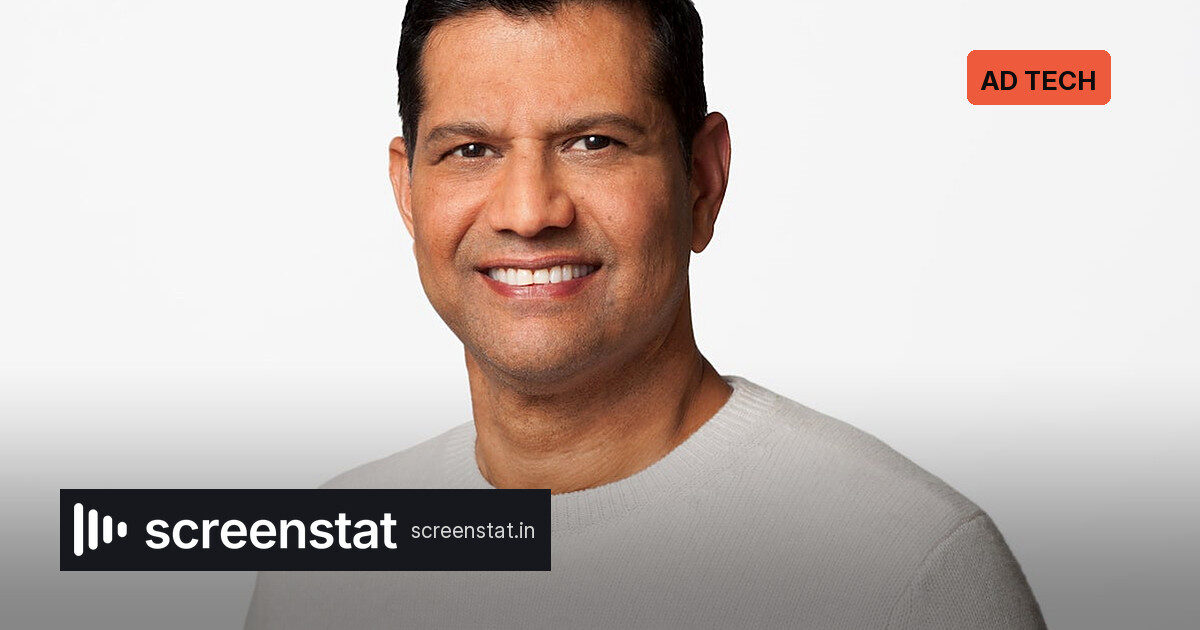
Netflix is bringing in an ad-tech veteran from Google Cloud to run its advertising platform. Darshan Kantak has joined as vice president of the ads platform, with a mandate covering advertising product, engineering, and data & insights teams globally.
Why the hire matters now
The appointment lands at a tricky point in Netflix’s advertising build-out. The company now expects 2026 ad revenue of about $2.7 billion, down from a previous projection of $3 billion. The revision is notable because Netflix has repeatedly framed advertising as its next big revenue engine, and because the ads business itself has grown more than 80% this year.
That combination — fast growth but a missed internal target — suggests the constraint is not demand. It is delivery.
- Kantak reports to Netflix ads president Amy Reinhard.
- He will oversee teams that build the ad experience and the reporting tools for Ads Suite partners.
- He previously led Applied AI product at Google Cloud and held senior roles at Snap, Meta, Microsoft and Yahoo.
A delivery problem, not a demand problem
Co-CEO Greg Peters told analysts the company built an aggressive 2026 product roadmap and is now “a bit behind” its target. He blamed delays in rolling out new ads products and integrating them with partners. In his telling, Netflix is willing to accept a “modest short-term hit for a better long-term strategic position.”
That is a useful framework for media planners. When a platform says “partner integrations” are late, it usually means buyers do not yet have the measurement, frequency or reporting tools they need to spend with confidence. Revenue then trails inventory, even if viewer supply is healthy.
“I’ve spent most of my career building brand and direct response ad platforms,” Kantak said, describing the goal as ads that feel “relevant and welcome” for members.
What the ad stack actually controls
In streaming, an ad platform is more than a technical back end. It includes the ad stack — the layers that serve creative, measure outcomes, manage frequency and give advertisers operational controls. Netflix’s problem is that building this stack at scale takes time, especially when each partner integration has to meet buyer expectations across different markets.
Kantak’s background is aimed squarely at that challenge. He has built ad products across Snap, Meta and Microsoft, and most recently led Applied AI product at Google Cloud, experience that matters as Netflix pushes into better targeting and automation.
The 2027 expansion is the real prize
Netflix will take its ad tier to 15 new countries in 2027. The first phase starts in March with nine markets across Europe, the Middle East and Africa, plus Colombia, Peru and New Zealand. More inventory is only valuable if the platform can deliver, measure and optimize it.
The hire reads as a signal that Netflix is trying to match its technical infrastructure to its geographic ambition. If integrations land on schedule, the current revenue miss becomes a short-term blip. If they slip again, advertisers may keep treating Netflix ads as promising but not yet fully mature.
For media buyers, the near-term signal is simple: watch Kantak’s first set of product milestones. If new measurement and partner integrations ship before the March 2027 expansion, the $2.7 billion base may prove conservative. If they do not, the gap between Netflix’s ad ambition and its operational reality will remain the story.
Source: TheWrap