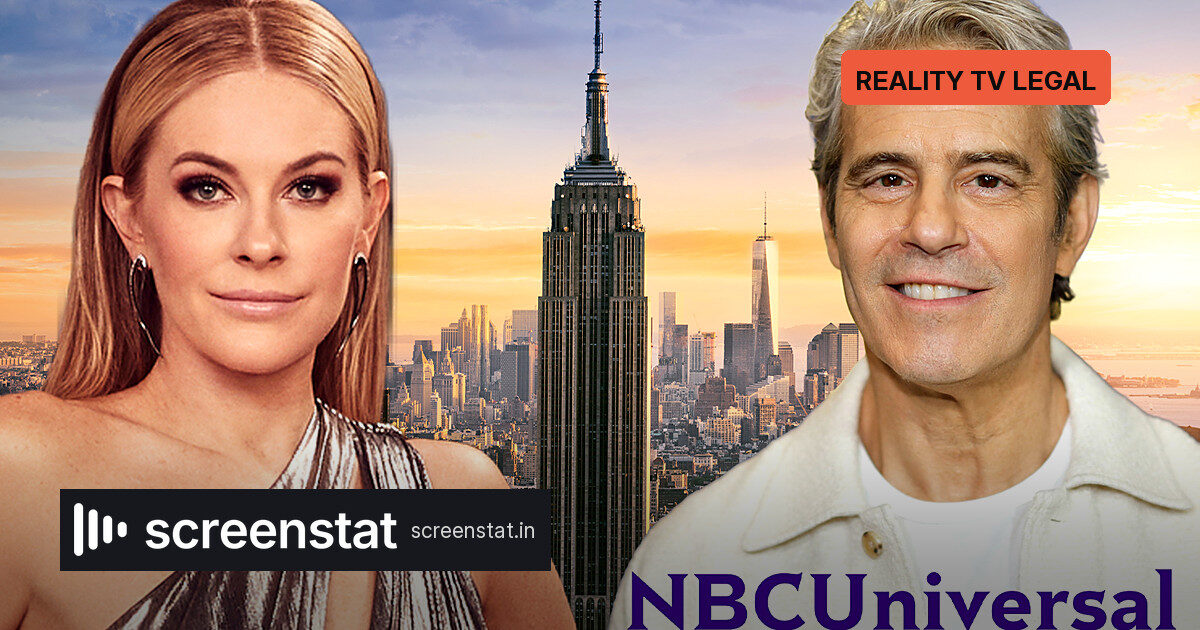
Bravo and Andy Cohen have settled the toxic-workplace and smear-campaign lawsuit brought by Real Housewives of New York City alum Leah McSweeney, ending a case that could have become the network’s first courtroom trial with a cast member. The terms are confidential and no payout figure has been disclosed.
What the lawsuit claimed
McSweeney filed in February 2024, alleging that the network and its executives encouraged her to resume drinking to create the series’ signature conflict and lift ratings. She had been sober for a decade, and said she relapsed shortly before filming began in 2019. In May 2025, she added a claim that Cohen and Bravo coordinated a media attack: she said fellow cast members appeared on TV, online and in print to call her a liar and to curry favor with Cohen.
Cohen and Bravo denied the claims. As part of the resolution, McSweeney has withdrawn the suit. Her attorney, Gary Adelman of Adelman Matz, told The New York Post: “We are extremely satisfied with the outcome [and] we are proud of Leah and her perseverance.”
Why a quiet end matters
The headline is less about a feud than about what never entered the public record. A trial would have put production notes, talent communications and duty-of-care decisions into discovery. The confidential settlement keeps that evidence private and leaves the underlying allegations untested in court.
That matters for unscripted television because the format’s economics are built partly on personal volatility. McSweeney’s case put a simple question in front of producers: when “authentic” drama becomes a safety or liability issue, where is the line?
Here is what the resolution leaves on the table:
- Trial risk: Bravo avoids its first courtroom trial with a cast member.
- Disclosure: No settlement dollar figure has been released.
- Allegations: Encouraged alcohol use and a coordinated smear campaign, denied by Bravo and Cohen.
What to watch next
For production companies and legal teams, this settlement reinforces a practical shift: participant care protocols should be reviewed before a crisis, not after one. For advertisers and media buyers, high-conflict unscripted formats now carry a sharper reputational and legal premium, making duty-of-care standards part of the brand-safety conversation.
Expect more scrutiny of reality-TV contracts, sobriety and mental-health safeguards, and the way ratings goals are communicated to talent.
Source: Deadline