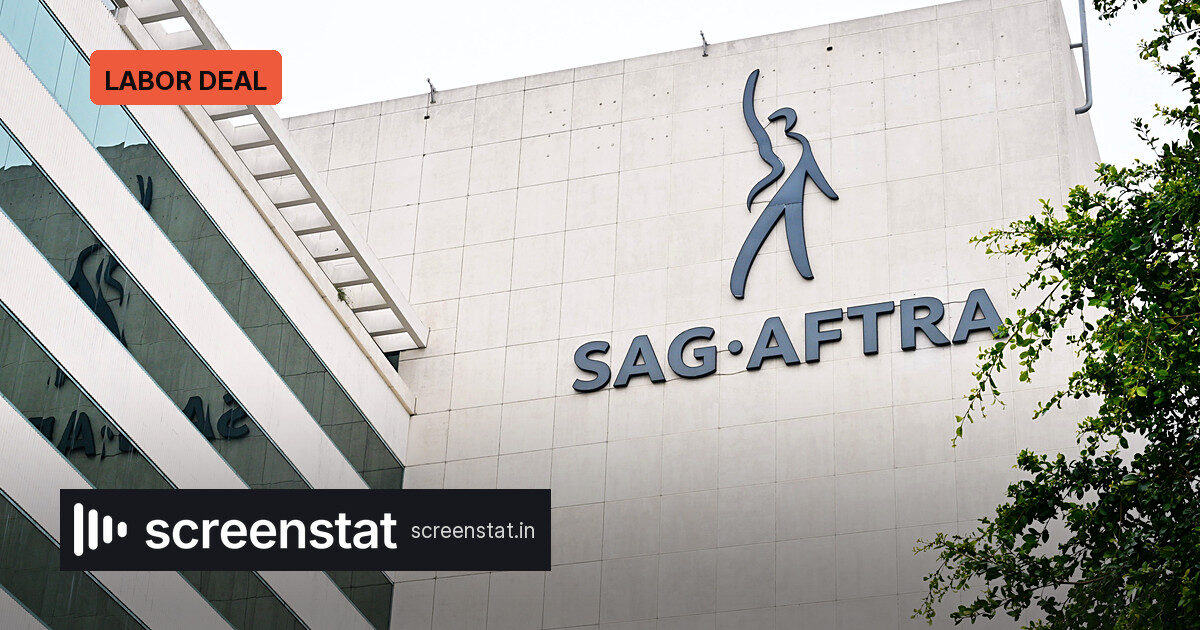
SAG-AFTRA members have ratified two new four-year animation contracts with the Alliance of Motion Picture and Television Producers, locking in a 12.6% wage increase and stronger AI protections across television animation and basic cable animation.
The vote was 94.95% in favor, the union said Thursday. The agreements are effective retroactively from July 1, 2026, and run through June 30, 2030.
What is in the deal
The ratified terms cover four areas that matter for animation budgets: wages, AI protections, residuals, and contributions to the Health Plan and pension and retirement plans. The 12.6% wage increase applies over the life of the agreement, not as a one-time bump.
- Wages: 12.6% increase over the four-year term.
- AI: enhanced protections around how AI can be used.
- Residuals: gains for animation performers.
- Benefits: higher Health Plan and pension and retirement contributions.
SAG-AFTRA President Sean Astin called it “a dignified deal with essential AI protections.” National Executive Director & CEO Duncan Crabtree-Ireland said the agreement delivers “meaningful protections around AI and wages that reflect the value of their labor.”
Why the numbers matter
A 94.95% approval rate is a strong internal signal. It tells producers and platform buyers that animation performers are aligned around AI guardrails, not just base pay. For streamers and linear networks, the deal removes a negotiation uncertainty and sets a defined cost path through 2030.
The retrospective start date is the detail finance teams should not miss. Payments and contributions will need to be reconciled against July 1, 2026 rates, which can affect current-quarter budgeting for animated originals and licensed titles.
Although the union did not disclose year-by-year escalators, a 12.6% increase across a four-year term works out to an average of just over 3% per year if spread evenly. Producers should model the actual schedule with their business affairs teams rather than applying a flat annual rate.
Where this fits in the animation market
Animated series have become a dependable volume driver for streaming platforms and kids and family channels. They also carry long production cycles, so a four-year contract with known wage escalation helps platforms forecast multi-season commitments. The absence of a disruptive negotiation cycle through 2030 is itself a planning benefit.
The AI provisions matter because animation performance is voice-first. Synthetic voices and digital replicas can be produced quickly, which makes consent and compensation language more urgent for voice actors than for many other performer categories.
What to do now
Producers and media planners should update animation cost assumptions to include the full four-year wage escalation, model the higher benefit contributions, and review AI-related clauses in performer agreements before the next slate is greenlit.
For buyers, the takeaway is straightforward: animation supply costs are now firmer, and the AI terms reduce one category of legal risk.
Source: Deadline