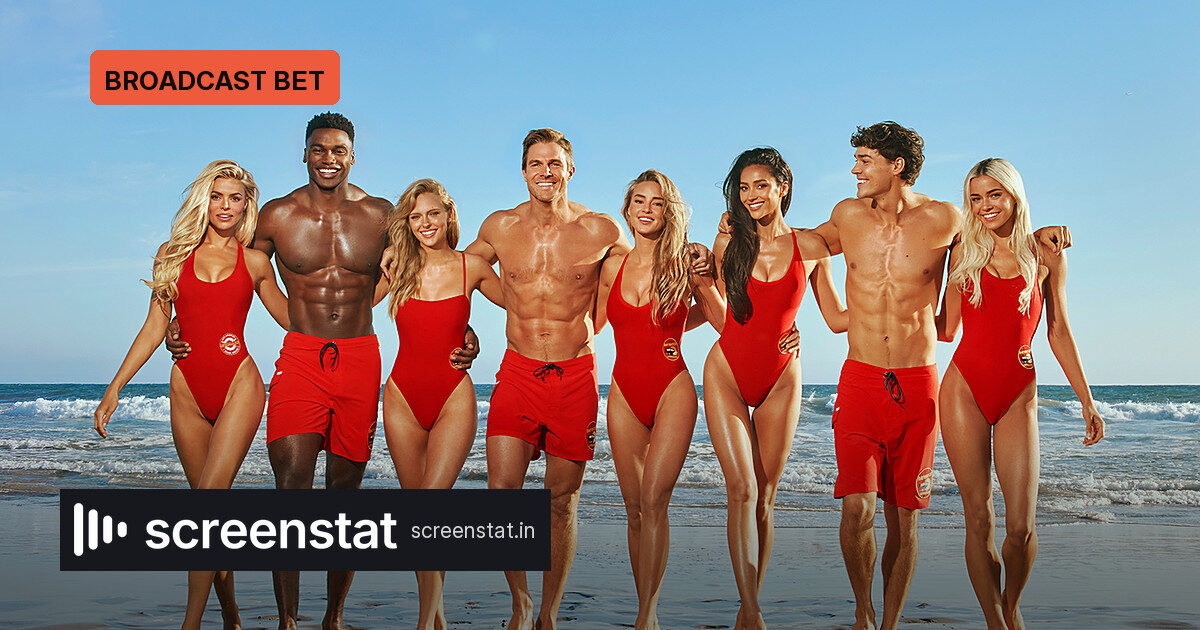
Fox’s Baywatch continuation will open Jan. 6 at 9 p.m., a midseason slot that pairs one of television’s most widely distributed brands with a deliberately small 12-episode order. Stephen Amell leads as Hobie Buchannon, now a Baywatch Captain following in the footsteps of his father, Mitch. Jessica Belkin plays Charlie, the daughter Hobie never knew, who wants to become a lifeguard beside him.
The setup on the schedule
The show was picked up in September 2025 for the 2026-2027 broadcast season. Fox opened a casting call in early 2026, and production began in Los Angeles in the spring. Alongside Amell and Belkin, the cast includes Shay Mitchell, Brooks Nader, Hassie Harrison, Livvy Dunne, Noah Beck, David Chokachi and Thaddeus LaGrone. Ashley Moore, Luke Eisner, Nadia Gray, Kylar Miranda and Charlie McElveen recur; Megan Thee Stallion makes an appearance. Matt Nix is showrunner, McG directs the premiere, and Fox Entertainment and Fremantle co-produce.
- Premiere: Jan. 6 at 9 p.m. on Fox.
- Order: 12 episodes.
- Core story: a father-daughter lifeguard handoff.
- Creative: Matt Nix showruns, McG directs the premiere.
- Partners: Fox Entertainment and Fremantle.
Why a 12-episode bet is the real story
For media planners, the order matters as much as the premise. Twelve episodes is a contained commitment: enough to sell a season to advertisers, but not so many that a soft launch locks Fox into a long tail of under-delivery. That is sensible risk management for a broadcast network using a known title in a January slot, where midseason premieres often get a short window to prove themselves.
The original Baywatch, which debuted in 1989, was at its peak the most-watched show in the world and aired in more than 200 countries. It helped launch Pamela Anderson and Carmen Electra, and spun off Baywatch Nights. The 2017 feature film with Dwayne Johnson and Zac Efron did not work. The brand has global reach; execution still decides whether viewers show up week to week.
What to watch from here
The casting suggests Fox is chasing younger viewers alongside legacy-IP nostalgia. Names such as Livvy Dunne and Noah Beck carry a digital-native audience, while Stephen Amell brings established television weight. For ad-supported television, this is a known property rather than an untested pilot, but the real audience guarantee rests on modernising the format for a broadcast audience that is far smaller than the original’s global reach.
The practical test is whether that combination shows up in the 9 p.m. ratings and in delayed viewing data, and whether Fox sees enough to order more episodes beyond the initial run. If the premiere underperforms, the 12-episode structure keeps the damage contained; if it overperforms, the same structure makes an extension easy to justify.
Source: Variety