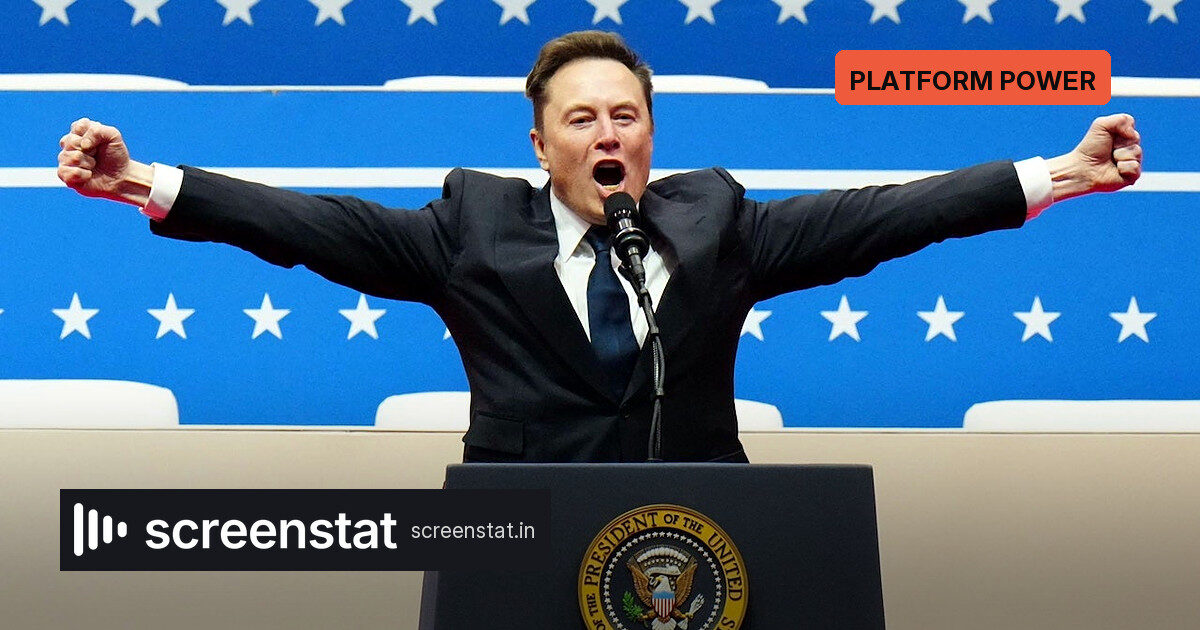
The Writers Guild of America is framing an ad dispute around Alex Gibney and Michael J. Palmer’s documentary Musk as a distribution story, not just a free-expression fight. The union says the film’s promotional campaign was blocked on major social platforms, and it is connecting those decisions to a tight web of ownership around the title.
What the WGA says happened
In a joint statement from WGA East and WGA West, the union called the treatment an “overt censorship campaign by tech platforms.” According to the WGA, every major social media platform initially prohibited or restricted advertising for the film, and TikTok told theatrical distributor Bleecker Street that ads were “permanently banned” the week before release. That ban was lifted only after opening weekend, the union said.
The documentary is described by the guild as an in-depth examination of Musk based on his own words and firsthand accounts. That detail matters for marketers: this is not an edge-case film with an unclear brand-safety record, the WGA is arguing, but a mainstream title whose promotion was still curtailed.
- All major social platforms initially blocked or restricted ads for Musk, per the WGA.
- TikTok told Bleecker Street the ad ban was permanent the week before release.
- The restriction was rescinded only after the film’s opening weekend.
- The WGA is calling on federal and state regulators to enforce antitrust laws.
The ownership question
The WGA’s statement moves quickly from ad policy to ownership. It notes that TikTok’s U.S. operations sit under Larry Ellison, who provided significant financial backing for his son David Ellison’s Skydance Media. Skydance, after combining Paramount and Warner Bros, owns HBO Max and holds broadcast and streaming rights to Musk. This week, Elon Musk said he has put nearly $1 billion into Skydance.
For ScreenStat readers, that is a conflict-of-interest checklist in one paragraph. A platform can throttle promotion. The same business family holds rights to the film. The film’s subject has now become an investor in that rights holder. Each layer may be defensible on its own; together, the WGA argues, they create the conditions for quiet distribution decisions that look like censorship.
The business read
Social platforms are the default top-of-funnel for film and streaming campaigns. If a title can be flagged or banned before opening weekend with little public visibility, release planning is carrying platform risk that media planners cannot easily price. That is the practical reason this dispute belongs in a data publication: ad policy is now a distribution variable.
The WGA’s broader warning will be familiar to readers who track regulation. The union raised similar concerns when it challenged the Paramount-Warner Bros merger, and its new statement argues a small group of billionaires now owns most major media companies, news outlets and social platforms. The guild says this “malignant concentration and control” threatens democratic discourse and has called on policymakers and regulators to enforce antitrust law.
Skydance did not immediately respond to TheWrap’s request for comment. For film and streaming marketing teams, the immediate takeaway is operational: run a platform-policy stress test before opening weekend, and prepare an alternative if paid social is restricted.
Source: TheWrap