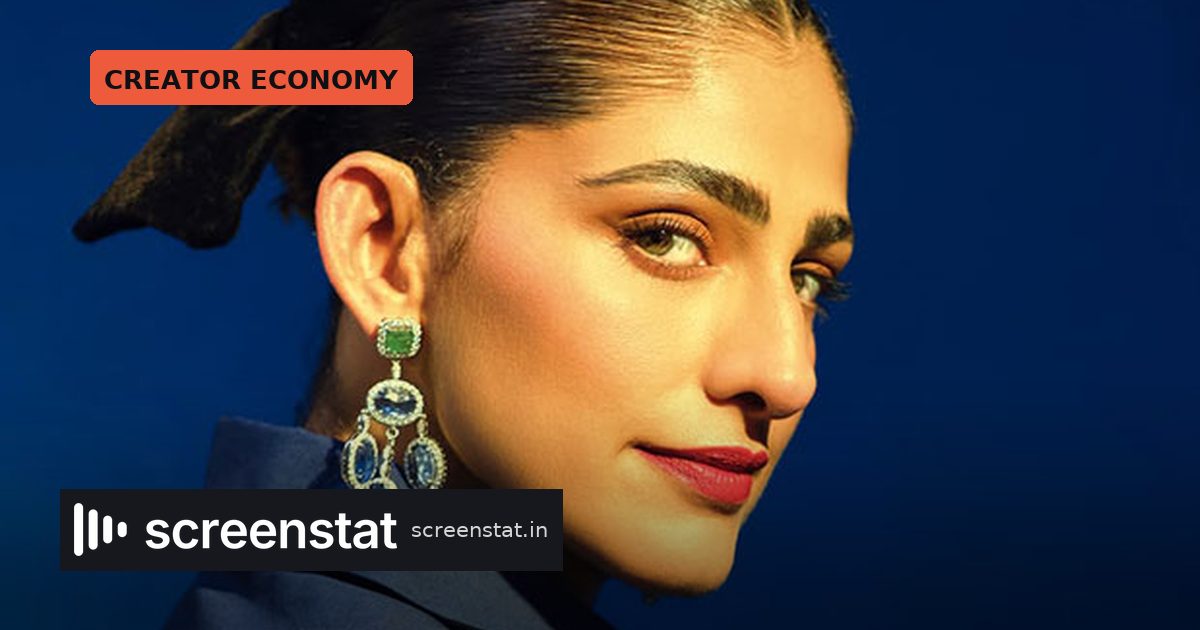
Actor Kubbra Sait has published a new vlog on her YouTube channel documenting a day out in Chennai, taking viewers along a city trail that includes stops linked to well-known Tamil Nadu figures and a visit to the Chennai Snake Park.
On its face, this is a travel diary. For anyone tracking where audience attention and talent economics are heading, it is something more useful: another data point in the steady migration of screen talent into owned video channels.
What the vlog actually covers
According to the report, Sait, accompanied by a friend, roamed parts of Chennai looking for the homes of celebrated personalities, with references to Rajinikanth, late Tamil Nadu Chief Minister Jayalalithaa, veteran actress Sasikala and actor Dhanush. The trail then moves to the Chennai Snake Park, where she encounters an albino python, cobras and vipers, along with crocodiles and a gharial, filming her own reactions as she goes.
The tone shifts midway. Sait uses the visit to raise the treatment of snakes around Nag Panchami, pointing to rescue accounts and alleged cruelty tied to the festival, and asks viewers to look past the surface of a tradition. In the video description she wrote that what “looks sacred from the outside” can conceal a darker reality, adding that some traditions come with stories and some with secrets.
Why this matters beyond one video
Indian film and OTT talent has spent the last few years discovering what global creators learned earlier: a personal channel is distribution you do not have to negotiate for. A streaming show gives an actor reach on someone else’s platform, with no visibility into who watched, for how long, or why. A YouTube channel gives them a subscriber base, a comment section, and a revenue line they control.
That changes the arithmetic for anyone buying talent or planning campaigns:
- Talent now has first-party audience data. Watch time, geography and retention curves sit with the actor, not just the studio. That strengthens their hand in brand deals.
- Format flexibility is the point. A city walkabout, a wildlife visit and a social-issue segment can sit in the same 20-minute video. No commissioning cycle, no slot.
- Advocacy travels better on owned channels. A cruelty-and-tradition conversation would be sanitised in most branded formats. Here it runs unfiltered, which is precisely what drives comments and shares.
- The always-on layer supports the tentpole. Vlogs keep an actor visible between releases, which is when most promotional spend is dark.
The framework: rented reach vs owned reach
Think of talent visibility in two buckets. Rented reach is the streaming release, the theatrical run, the TV interview – large, spiky, and controlled by a third party. Owned reach is the channel, the newsletter, the account – smaller in any single week, but compounding and measurable.
Marketers still overwhelmingly buy rented reach because the numbers are familiar. The smarter play is treating an actor’s owned channel as an addressable audience in its own right, priced on engagement rather than follower count. When a film markets itself, that channel becomes free, credible, high-retention inventory.
What to watch next
The signal to track is not view counts on any one vlog. It is whether actors keep publishing on a schedule. Consistency is what separates a channel from a hobby, and it is what determines whether platforms surface the content to non-followers. For media planners, the practical step is simple: start logging which screen names run genuinely active video channels, and at what cadence. That list will be a buying sheet before long.
Source: bollywoodHungama.com