Netflix is extending its content strategy from the screen to the shelf. The streamer has partnered with the British Library on a U.K.-wide initiative that funds literary conservation, donates adaptation-linked book collections to 100 public libraries and produces streamed conversations about how books become film and television.
What the deal includes
The partnership lands during the National Year of Reading in 2026, a campaign aimed at reversing a decline in reading for pleasure. It is built around three components:
- Philanthropic funding for the British Library’s conservation and archives work.
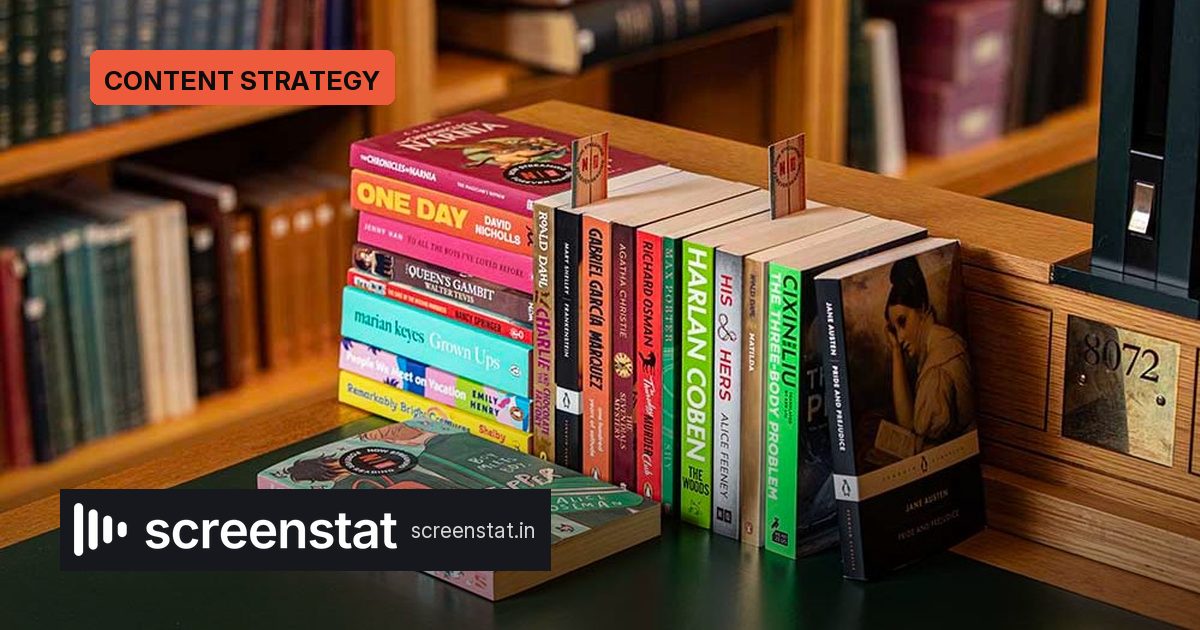
- Book collections tied to Netflix adaptations placed in 100 public libraries across the U.K.
- A national events programme, streamed to libraries, featuring talent behind adaptations such as Frankenstein, The Thursday Murder Club and East of Eden.
Donated titles span classic and current IP: Frankenstein, Pride and Prejudice, Heartstopper, One Day, The Thursday Murder Club and Charlie and the Chocolate Factory.
Why Netflix is investing here
The move is not a charitable sideline. It is a discovery and retention play built on consumer behaviour. The National Literacy Trust’s 2025 Annual Literacy Survey found children’s enjoyment of reading at its lowest recorded level, while screen-linked books can help pull in reluctant readers. For adults, Nielsen BookData reports that 12% of adult fiction bought by occasional readers was discovered through, or chosen because of, a film or television adaptation.
Netflix’s U.K. content VP Anne Mensah put the logic plainly: “Every great adaptation starts with a great story… the experience does not have to end when the credits roll.”
What it means for the screen business
For media planners and entertainment marketers, the partnership is a clear example of using owned IP as a post-watch engagement channel. An adaptation can do more than drive viewing; it can send audiences into libraries, bookshops and search. In a market where subscriber retention depends on extending the value of a title beyond the play button, cultural institutions offer a low-cost, high-trust distribution layer.
The adaptation flywheel in action
The book-to-screen market is becoming a repeatable loop. A known book lowers commissioning risk; the series or film generates demand for the title; and tie-ins with libraries and retailers capture that demand. Netflix’s library programme makes the books accessible through public lending, removing a purchase barrier and potentially feeding the next round of fandom and viewing data. For titles such as Heartstopper and One Day, the adaptation is effectively a multi-format franchise, not just a one-off season.
Source: Variety